El Parral Monastery And The Eresma Valley Free Walk
How donation entry works at El Parral Monastery in Segovia, which Eresma valley paths are free, and how to combine the monastery, the Alameda del Parral and the river walk in one afternoon.
In Short
The Monasterio de El Parral is open Wednesday to Sunday at two timed passes, 11:00 and 17:00, and works by donation rather than a fixed ticket. The Eresma valley paths that run beside it, including the Alameda del Parral, the Senda de los Molinos and the Camino Natural del Eresma, are open public paths and cost nothing. The monastery is closed Monday and Tuesday, and a donation is not the same as free entry, so plan around the pass times.
This question sits inside the free walking tour routes and stops guide.
Quick Facts
| Fact | Detail |
|---|---|
| Monastery entry | By donation, not free, two timed passes a day |
| Monastery opening | Wednesday to Sunday, 11:00 and 17:00 |
| Closed | Monday and Tuesday |
| Valley paths | Free, open public paths along the Eresma |
| Alameda del Parral | Free tree-lined walk beside the monastery |
| Nearby viewpoints | Jewish cemetery viewpoint at El Pinarillo, free |
| Free walks in the city | 2 free walking tours in English (1 on GuruWalk, 1 on freetour.com) |
El Parral Monastery And The Eresma Valley Free Walk
Yes, the Eresma Valley walk is genuinely free, so you can wander the valley for as long as you like without paying a thing. El Parral Monastery, however, is not quite free, so expect some cost or condition attached to a visit there. The Eresma river paths, the Alameda del Parral and the woodland around El Pinarillo are open public ground you can walk at any time for nothing. The Monasterio de El Parral, the large monastery that gives the area its name, opens Wednesday to Sunday at two timed passes, 11:00 and 17:00, and entry works by donation. This article separates the two honestly, sets out the paths, and shows how to join the pieces into one walk on the quiet side of Segovia.
Most visitors arrive in Segovia, see the Roman Aqueduct, walk Calle Juan Bravo to the Cathedral, and leave. That route misses the whole southern half of the city, where the Eresma river runs below the old walls and the monastery stands among poplar trees. The name Parral itself refers to a vine trellis, and the monastery grew up on ground that was once vineyard outside the mediaeval city. The river valley below it is now the green belt that locals use daily, and it is the largest genuinely free area of walking in the city.
The area also connects to other free things you may already have on your list. The Pradera de San Marcos, the meadow with the classic view across to the Alcazar exterior, sits on the same side of the river. The Muralla walk along the old city walls comes down toward the same valley. And the Alcazar's outside viewpoints, which are free to stand at, look out over exactly this stretch of the Eresma. If you are planning a full day, the one day free itinerary shows how the southern paths slot in.
One honest note on the monastery itself: it is an enclosed religious community, not a museum, and visiting is shaped around that. The two timed passes exist so visits do not disrupt the community's day, and the donation supports the monastery rather than buying a product. If you want a pure free experience, the paths and viewpoints deliver it, and the monastery is an optional extra rather than the point of the walk.
What Is The Monasterio De El Parral?
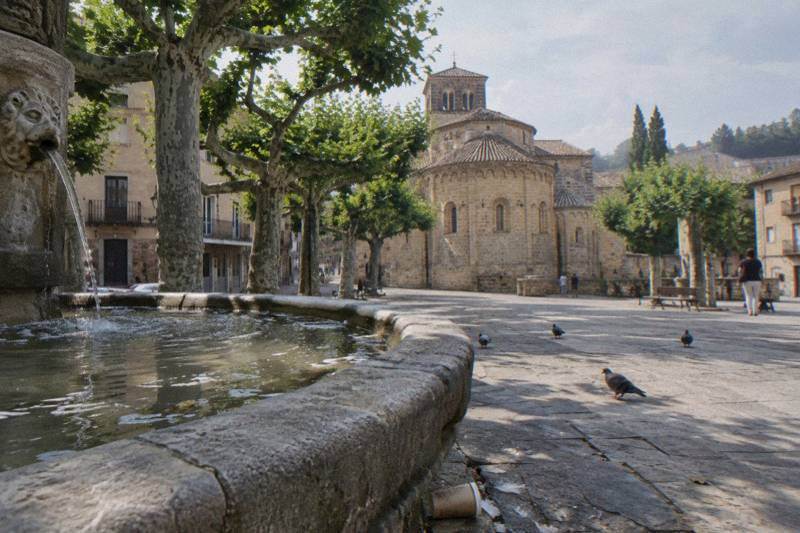
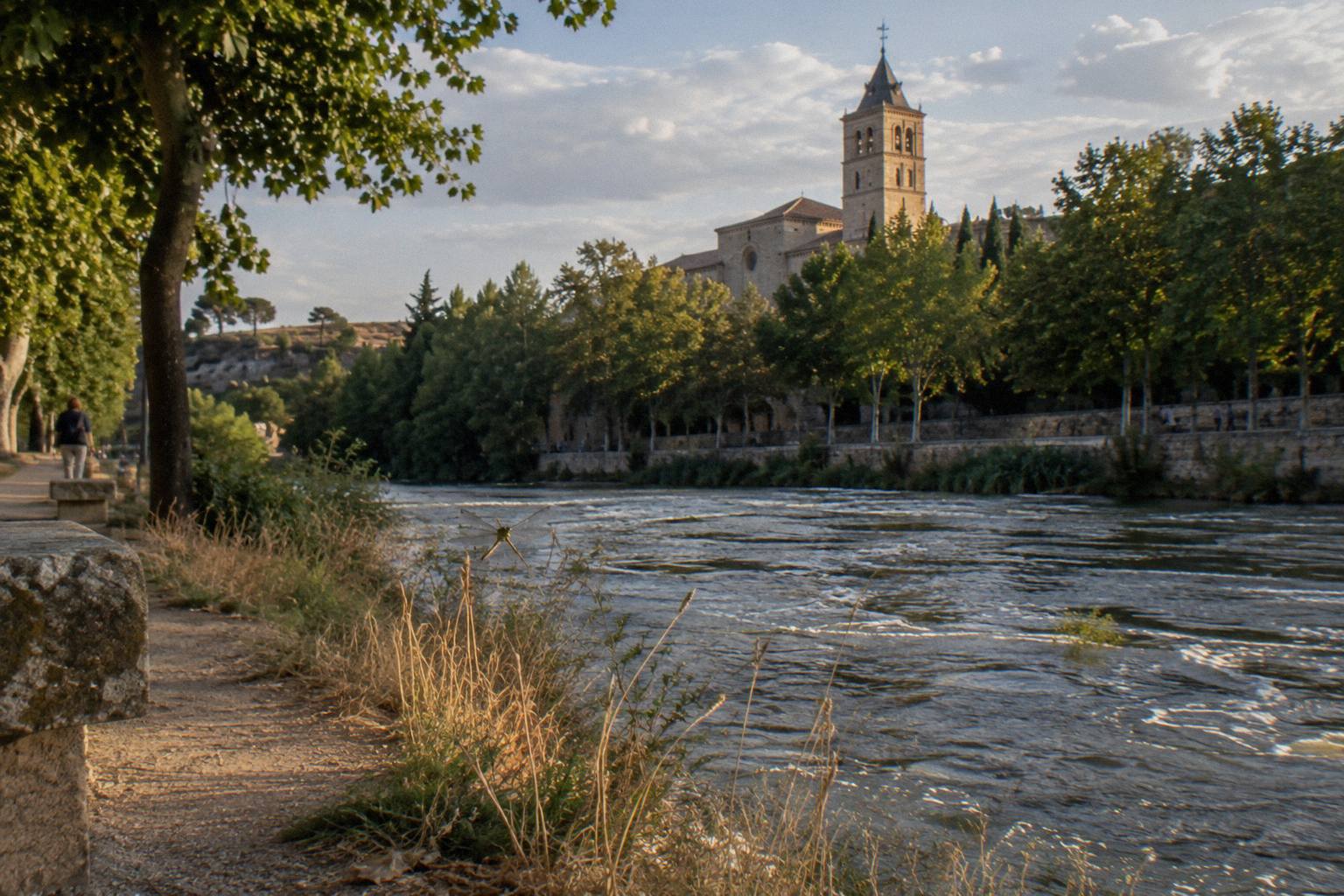
El Parral is a large monastery of the Jeronymite order, found on the southern edge of Segovia, below the old city and beside the Eresma river. It is reached on foot from the Alcazar side, in a walk of moderate length that leads from the old city down to the riverbank where the monastery stands. It is one of the biggest religious buildings in the province and gives its name to the Alameda del Parral, the poplar-lined avenue that runs beside it. The community that lives there is active, which is why visiting runs on timed passes and donations rather than ordinary museum tickets. The building's scale is visible from the outside for nothing, and the outside view from across the river is one of the free sights of this walk.
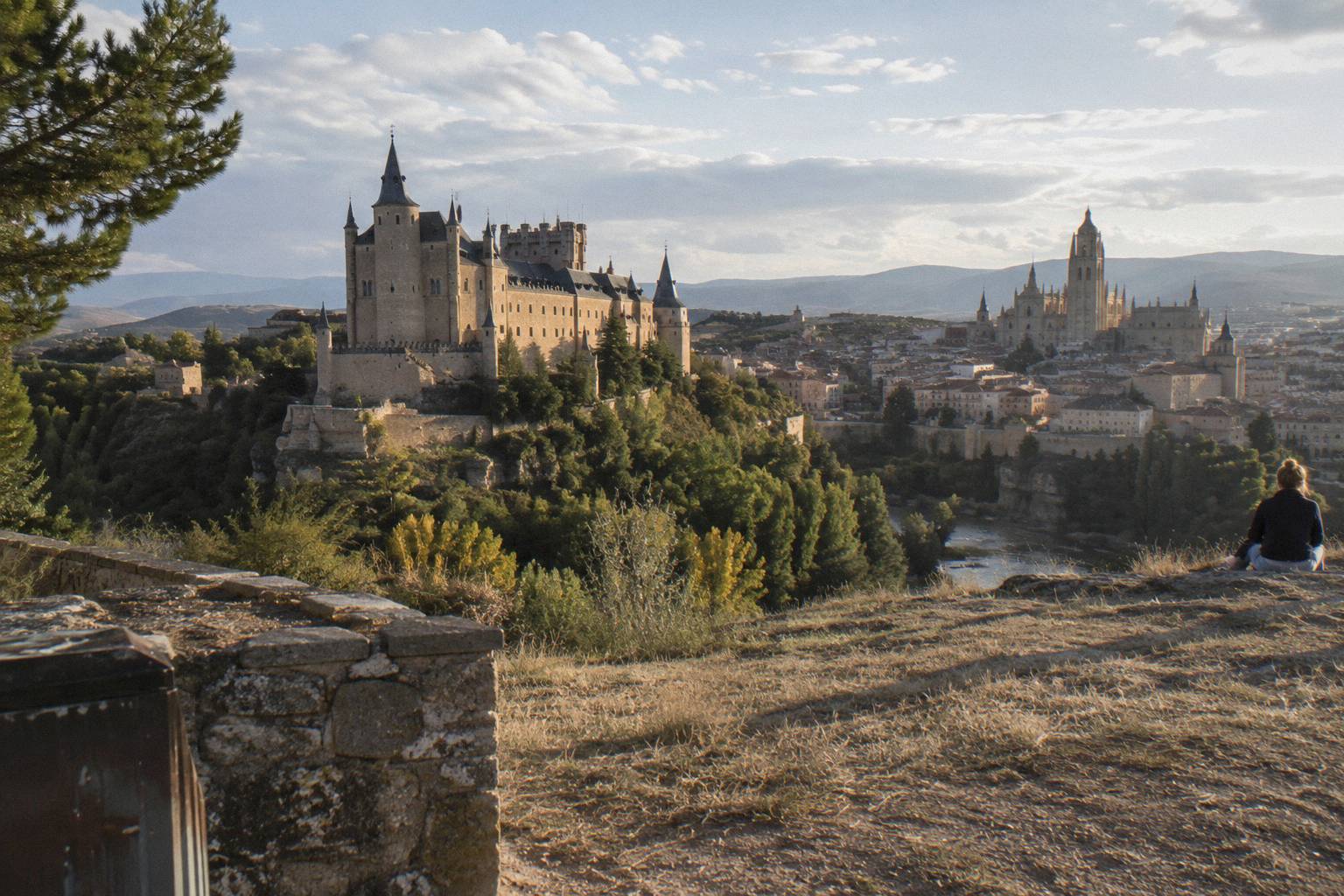
The monastery's relationship with the city is unusual. Segovia's monumental core sits on the ridge: the Aqueduct, the Plaza Mayor, the Cathedral, the Alcazar. El Parral sits in the valley below, facing the city rather than inside it, and that position is exactly why the free walking in this article works. You can see the monastery's towers and long walls from several free viewpoints, including spots along the Eresma paths and the area around the Alameda, without entering anything.
What the record states plainly: the monastery opens Wednesday to Sunday, with visits at 11:00 and 17:00, and it is closed Monday and Tuesday. Entry is by donation. Nothing in the verified facts states a suggested donation amount, and none should be invented here. The regional tourism body's page for the monastery carries the practical details, and it is the right place to confirm the pass times before you set out, because a religious community's schedule can change for its own reasons.
The word donation matters more here than most visitors expect. A donation-based entry is not a free entry with an optional thank you attached: it is the mechanism by which the monastery keeps visits possible at all. Treating it casually, arriving between passes, or assuming the doors are open all afternoon are the mistakes that most often waste a trip down the hill. The section on mistakes at the end of this article returns to this.
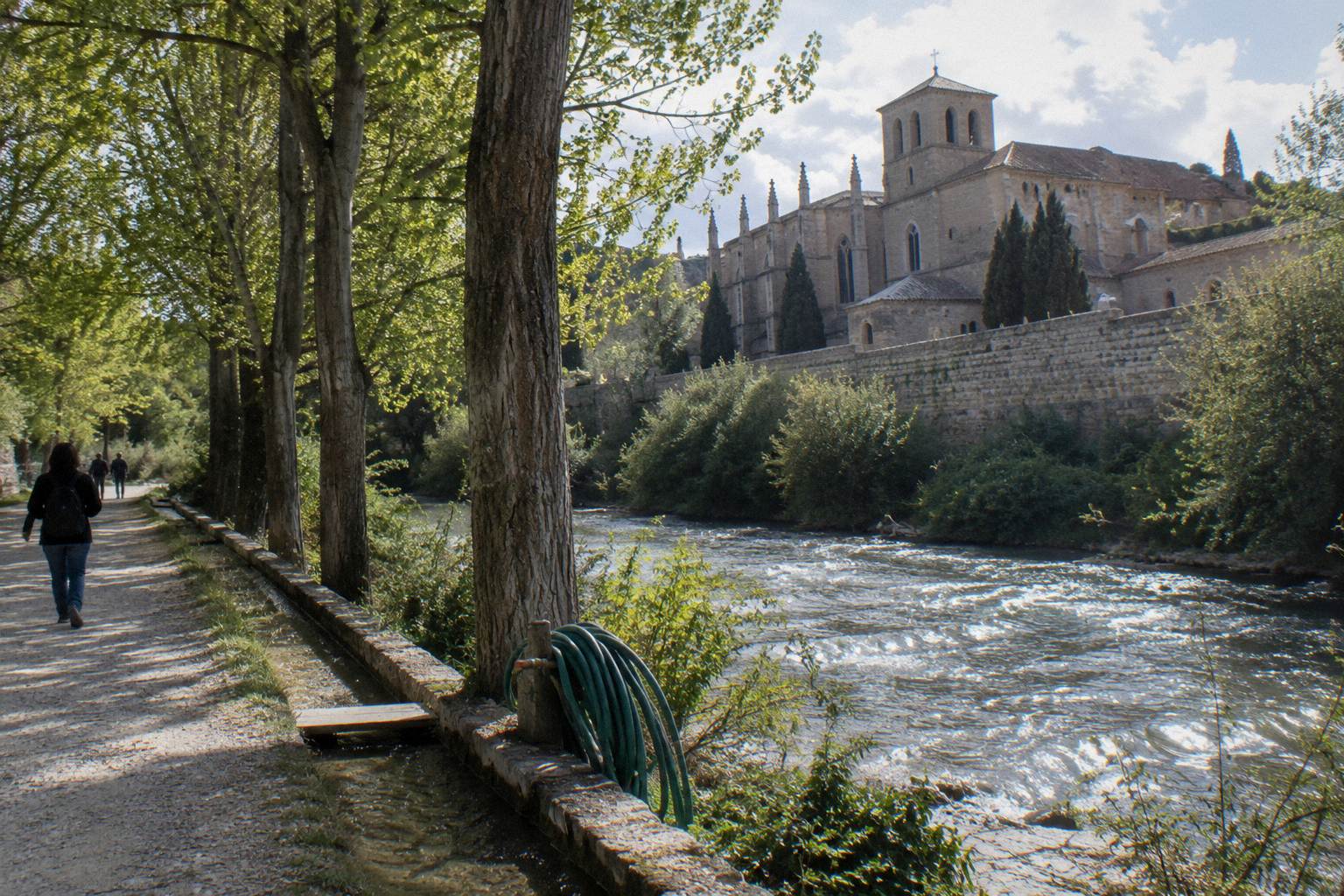
For walkers, the practical takeaway is simple. The monastery is the anchor of the southern walk, and even visitors who never go inside will spend their time looking at it, because the best free paths in the valley, the Alameda and the riverside route, run right past its walls. You do not need to pay anything to have the El Parral experience; you need to pay something only to go inside, at the stated times.
How Does Donation Entry Work?
Donation entry at El Parral works on a simple basis: the monastery opens to visitors at two fixed times each day, Wednesday through Sunday, and instead of charging a set ticket price, it asks each visitor to give whatever amount they choose, so entry is covered by a voluntary contribution rather than a fixed fee. The passes are at 11:00 and 17:00, and the doors stay closed outside them, including all day Monday and Tuesday. No amount is published, so the donation is genuinely up to the visitor. This is different from every ticketed monument in the city, where the price is fixed and printed, and it is different from free attractions, which charge nothing at all.
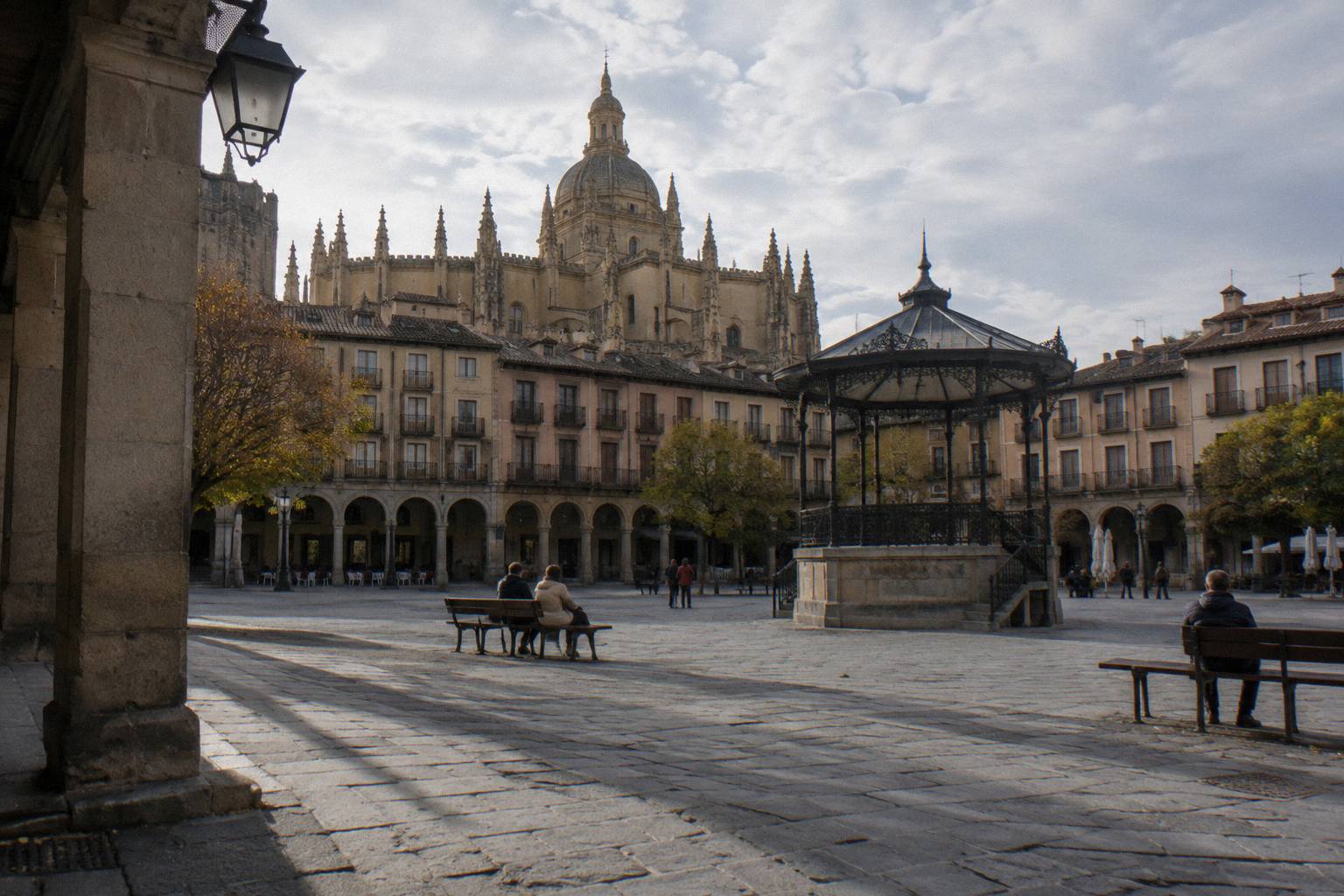
It helps to place El Parral on Segovia's wider map of entry systems, because the city has at least four different models and mixing them up causes real planning errors. Some places are outright free: the Roman Aqueduct, the plazas, the Muralla walk, the Eresma paths, and the Museo de Arte Contemporáneo Esteban Vicente, which is always free. Some are conditionally free: the Museo de Segovia, run by the regional government, is free on weekends and listed holidays and 1 EUR otherwise, and the Real Casa de Moneda, the Centro Didáctico de la Judería and the Casa-Museo Antonio Machado are free on non-holiday Wednesdays. Some are ticketed outright, like the Cathedral, whose usual visit is 4 EUR and whose tower visit, which is guided, is 7 EUR.
El Parral sits in its own fourth category, donation with timed passes, and it shares that category with nobody else in this dataset. That has consequences for planning. A visitor who shows up at 14:00 on a Thursday finds the doors shut, even though the day is right. A visitor who plans a Monday visit finds the whole monastery closed, along with the rest of the week's start, because Monday and Tuesday are the community's closed days. The valley paths, by contrast, run all week, which is why this article's combined route at the end puts the paths first and the monastery inside them.
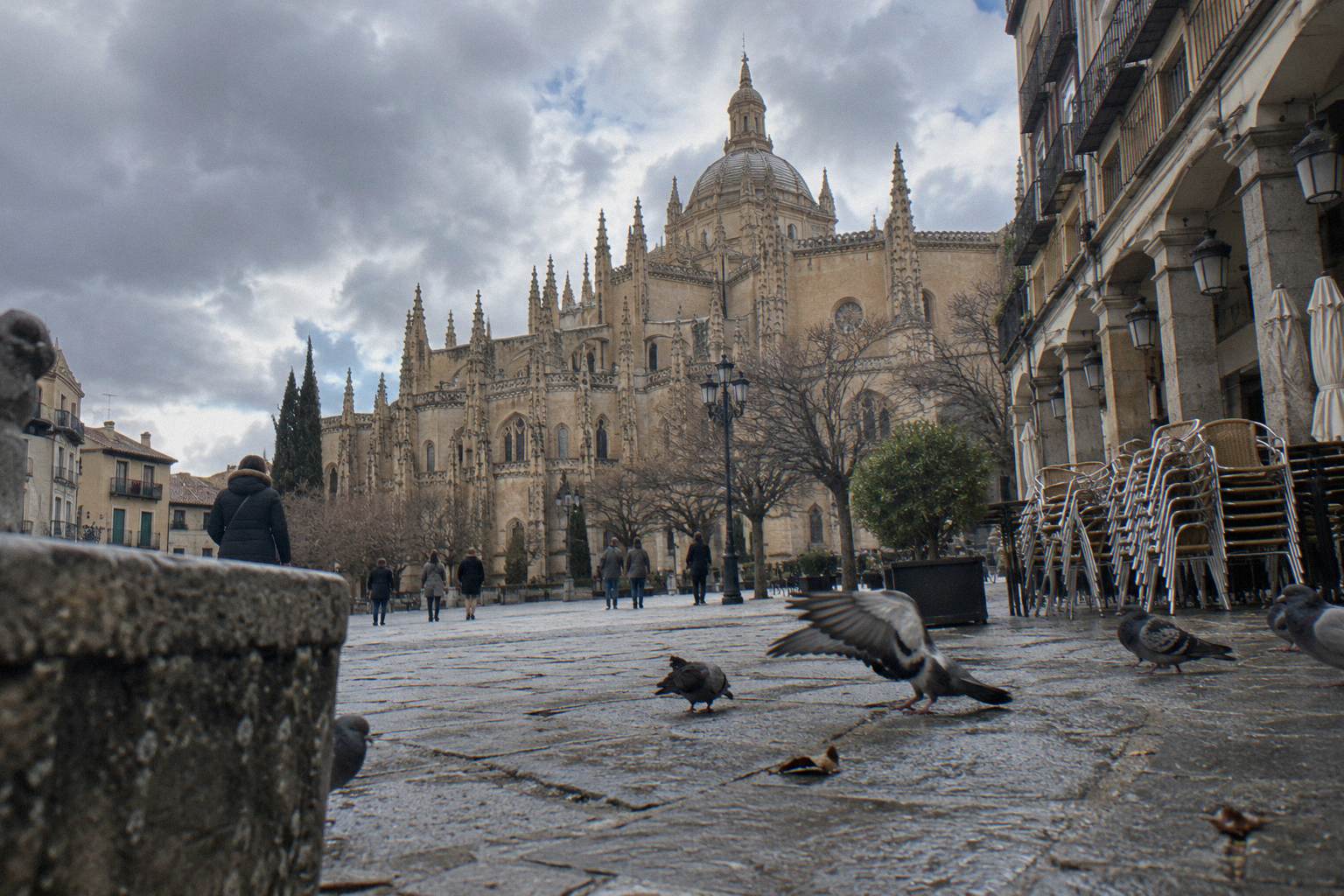
The Cathedral, the most visited paid monument in the city, has one free window of its own: Sunday worship hours, 09:00 to 10:00 from April to October and 09:30 to 10:30 from November to March, church only with the cloister closed. That is worship, not sightseeing, and it is the only sense in which the Cathedral is free. The full breakdown of that schedule sits in the Cathedral Sunday free hours guide, which is worth reading if you are building a Sunday around a valley walk.
For the monastery itself, the honest planning advice is thin and firm. Check the pass times before you go, choose the 11:00 or 17:00 slot that fits your day, and expect the visit to be shaped by a living community's rules rather than a visitor centre's. If the times do not fit, skip the interior without guilt: the exterior, the Alameda and the river paths carry most of what makes this corner of Segovia worth the walk down.
Walking the valley with a guide is another way to spend nothing up front. The Bilingual Monumental Walk, listed on freetour.com, runs an hour and a half in English and Spanish, meets at Calle Fernán García, corner of Ochoa Ondategui, and is rated 9.2 out of 10 across 126 freetour.com reviews. It is free to join, pay what you want, and freetour.com says tip based; the reader decides. It belongs to the Aqueduct And Old Town category, so it covers different ground from this valley walk, and the two pair well on the same day.
Which Free Paths Run Through The Eresma Valley?
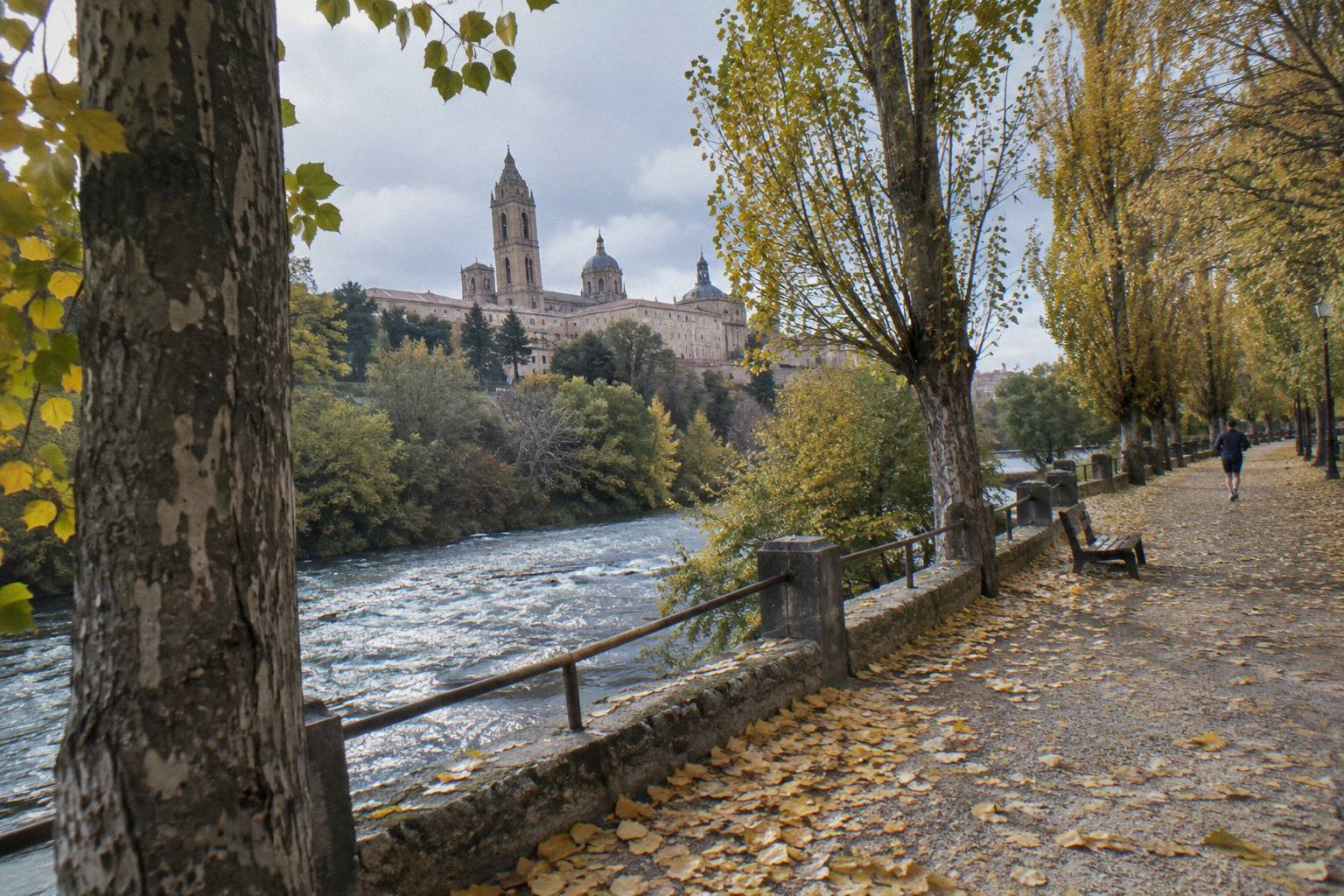
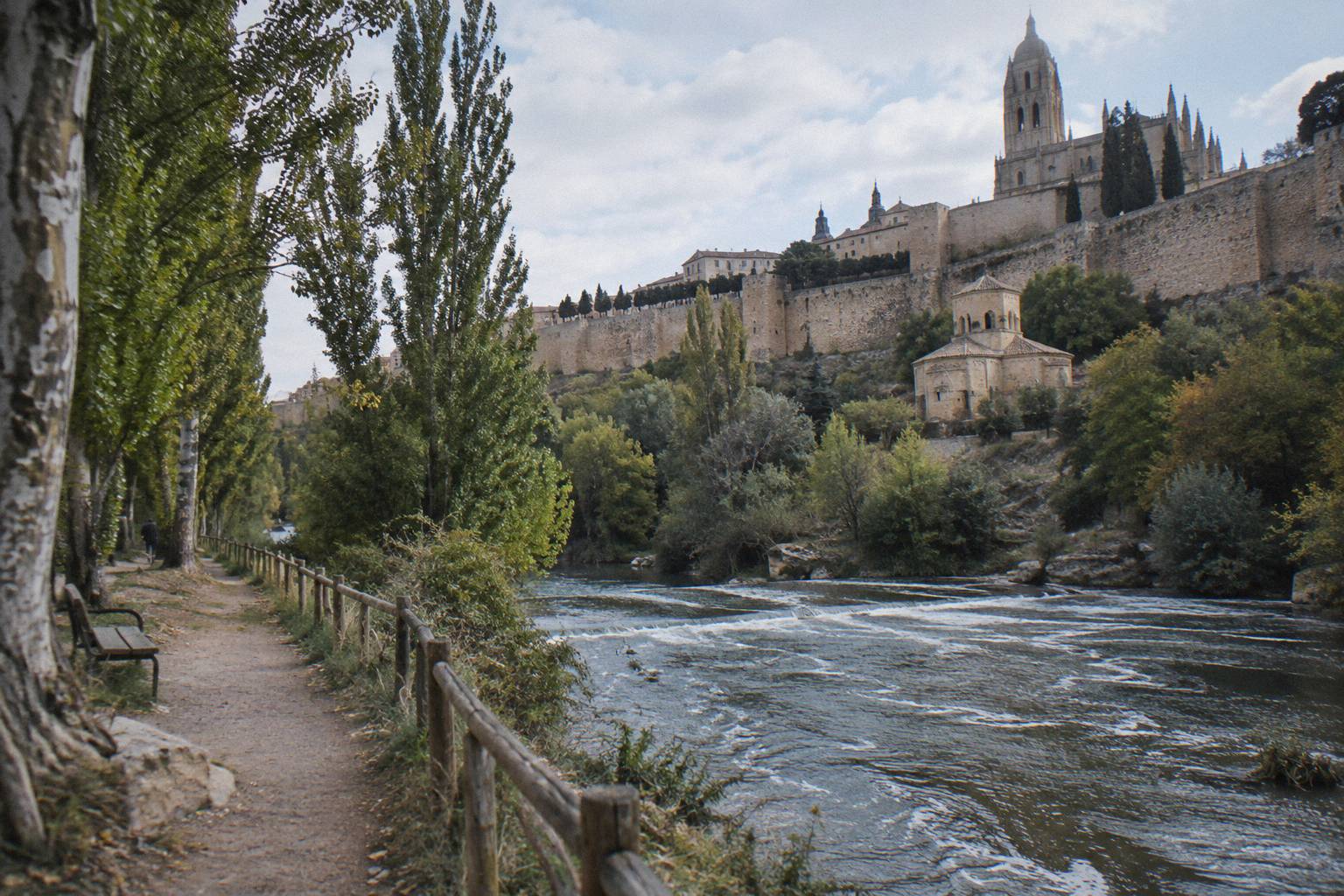
The Eresma valley carries a chain of free public paths on the southern side of Segovia, including the Senda de los Molinos and the Camino Natural del Eresma, which run along the river below the old city between the walls and the monastery. None of them charges anything, none requires a booking, and they are open ground rather than managed attractions. Together with the Alameda del Parral and the woodland of El Pinarillo, they form the free spine of this whole article: you can walk from the meadow below the Alcazar to the monastery gates without passing a single ticket booth.
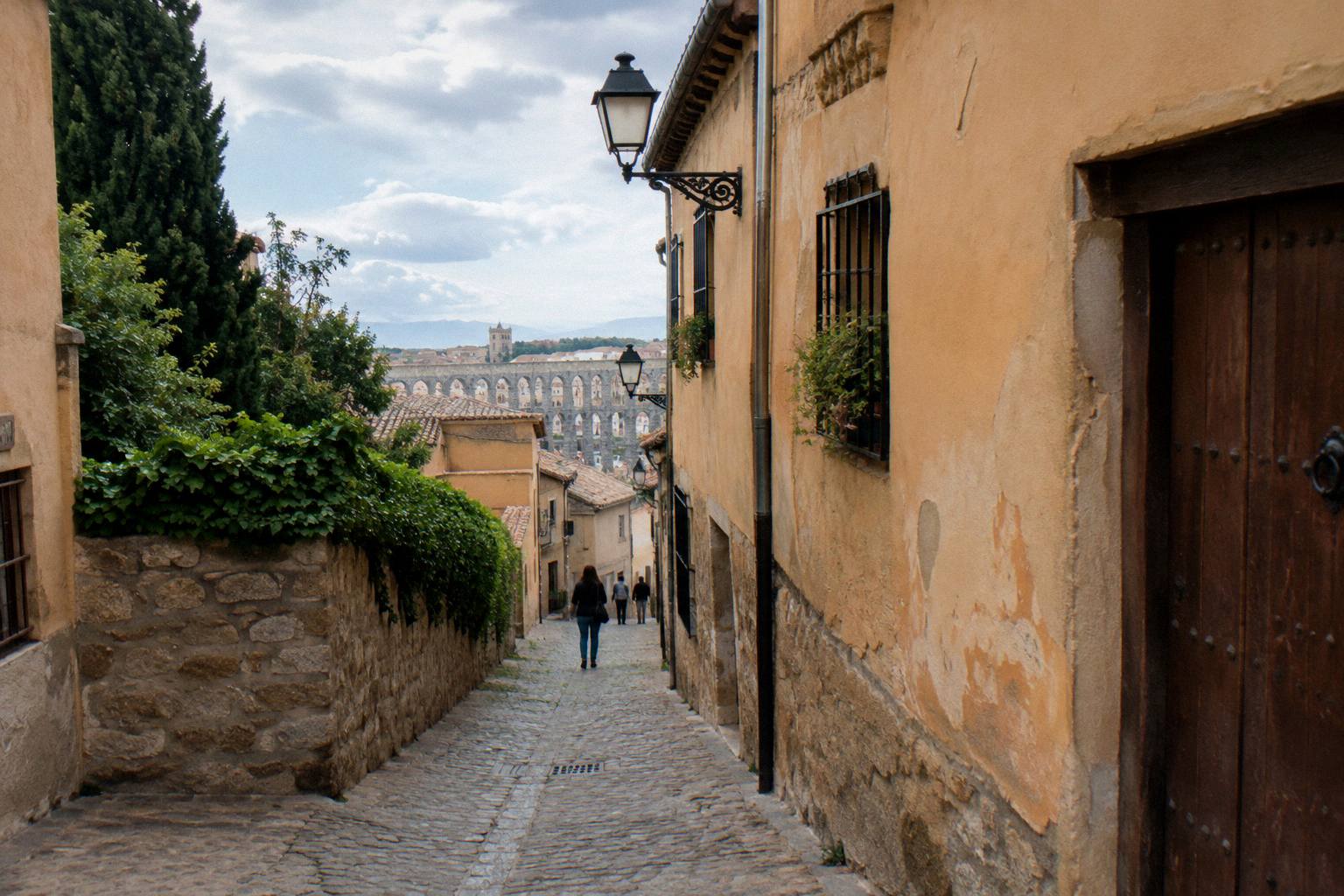
The Senda de los Molinos is named for the old mill sites along the river, and its route follows the water through the green belt. The Camino Natural del Eresma is part of a longer natural trail network that uses river corridors, and the Segovia stretch is the section that matters here. Both are plain dirt and gravel walking paths: no fences, no entry fees, no facilities to speak of. What the record states is that they are free and public; what it does not state is a precise distance or a walking time, and inventing either would be dishonest, so plan by landmarks instead of by numbers. The full index of guides sits on Free Things To Do In Segovia.
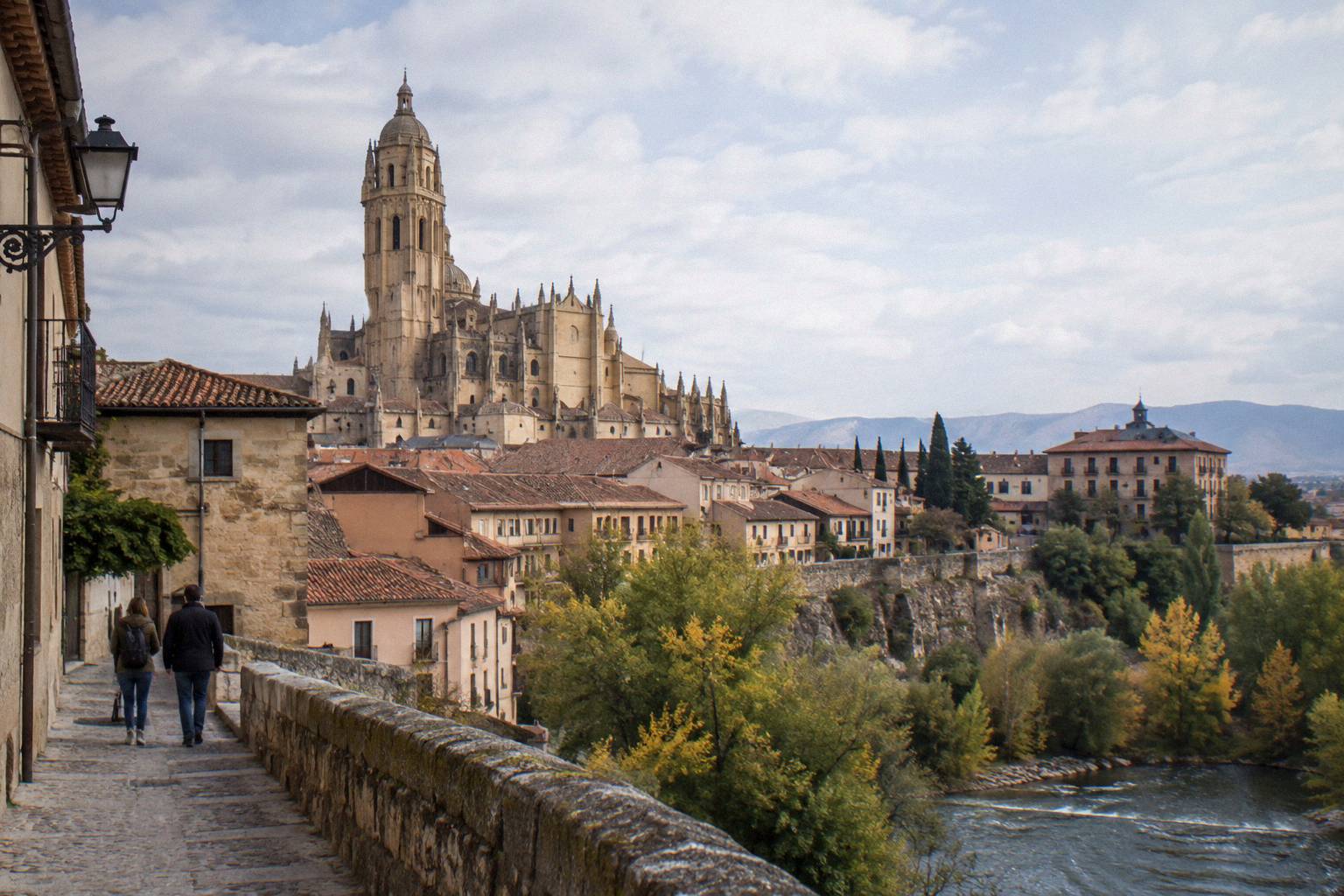
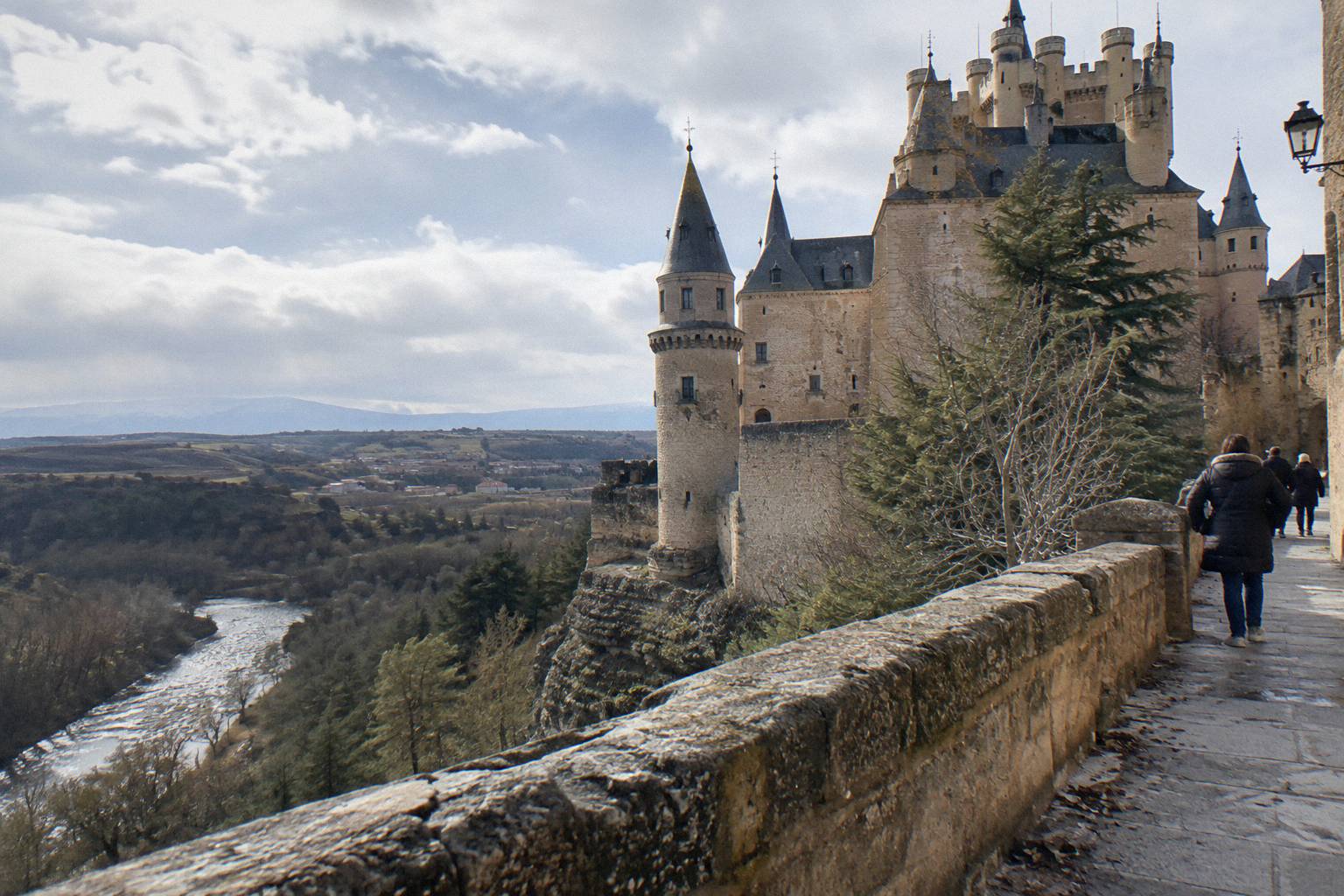
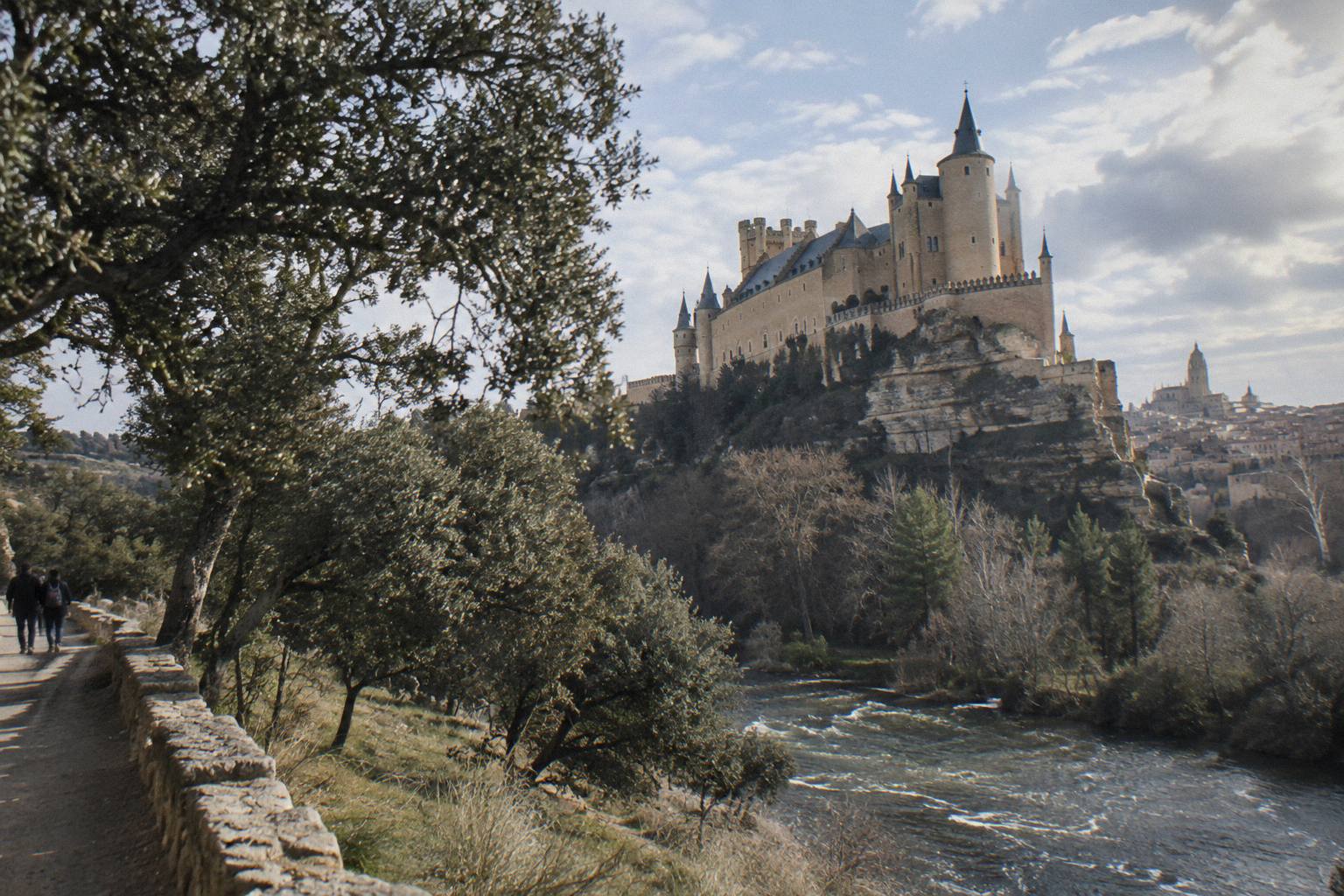
The landmarks on this side of the river are the real draw. The Pradera de San Marcos is the meadow with the classic view of the Alcazar exterior across the water, and standing there costs nothing. The Alcazar's outside viewpoints, which are free, look back over this same valley, and the fact that the Alcazar's interior is ticketed, with the sole exception of the EU-citizen slot on non-holiday Tuesdays from 14:00 to 16:00, does not change what the outside view costs. The Jewish cemetery viewpoint at El Pinarillo, on the wooded hill above the river, is also free, and it looks over the valley and the monastery side.
A word on the Alcazar exception, because it gets misquoted constantly. The free Palace and Museum slot on non-holiday Tuesdays from 14:00 to 16:00 is for citizens of the European Union, bought individually at the box office during that window, capacity-limited, and it never includes the Torre de Juan II, which has no free slot at any time. Visitors from outside the EU pay. The full detail is in the Alcazar tickets and EU free slot guide. None of that affects the valley paths, which are free for everyone, every day.
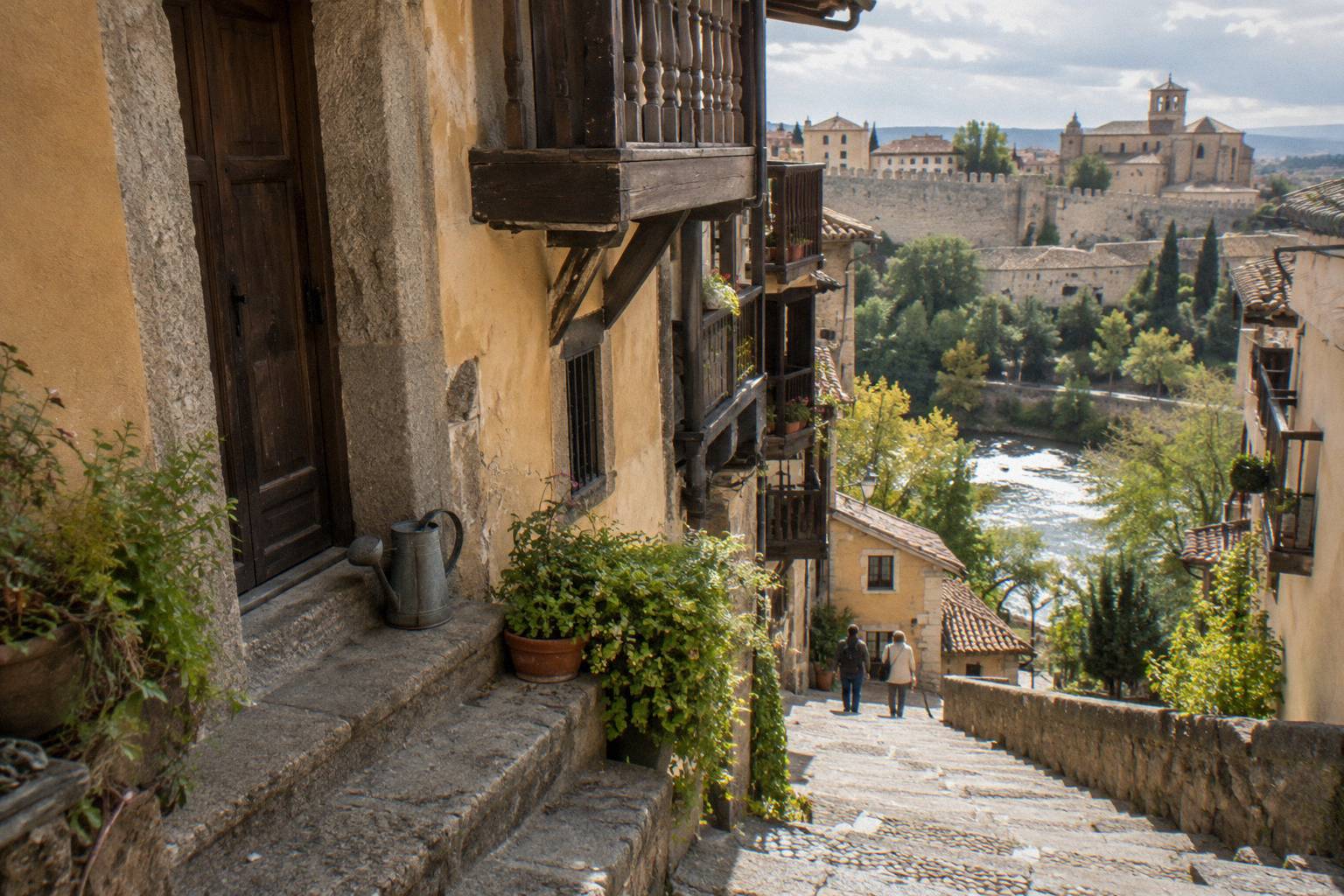
The paths also connect, gently, to the city above. The Muralla walk along the old city walls is free, and it delivers you toward the valley on the western side. The Judería, the old Jewish quarter streets, sits up in the city and is free to wander, with its own self-guided walk guide. If you are assembling a day from free pieces, the natural shape is walls or Judería first, then down to the river, then along the Eresma to the monastery, which is the combined route this article builds toward.
What Is The Alameda Del Parral?
The Alameda del Parral is a free tree-lined walk beside the Monasterio de El Parral, the poplar avenue that gives the monastery quarter its name, running along the flat ground by the Eresma at the southern end of the valley paths. It costs nothing, it has no hours and no gate, and it is the easiest piece of this whole area to visit, because you can walk it in minutes or linger along it, and either way the monastery walls rise beside you. It is also the natural finishing stretch of the riverside route from the Alcazar meadow.
An alameda, in Spanish city planning, is a promenade of poplars or similar trees, and that is literally what this is: a shaded avenue on level ground by the water. In a city whose monumental core sits on a dry ridge, the Alameda is the place where the walking is flat and green, and its free status is uncomplicated in a way almost nothing else in Segovia is. There is no free-with-conditions arrangement, no day of the week to remember, no paired paid interior to confuse. The path is free; the monastery beside it works by donation; the two facts sit side by side without merging.
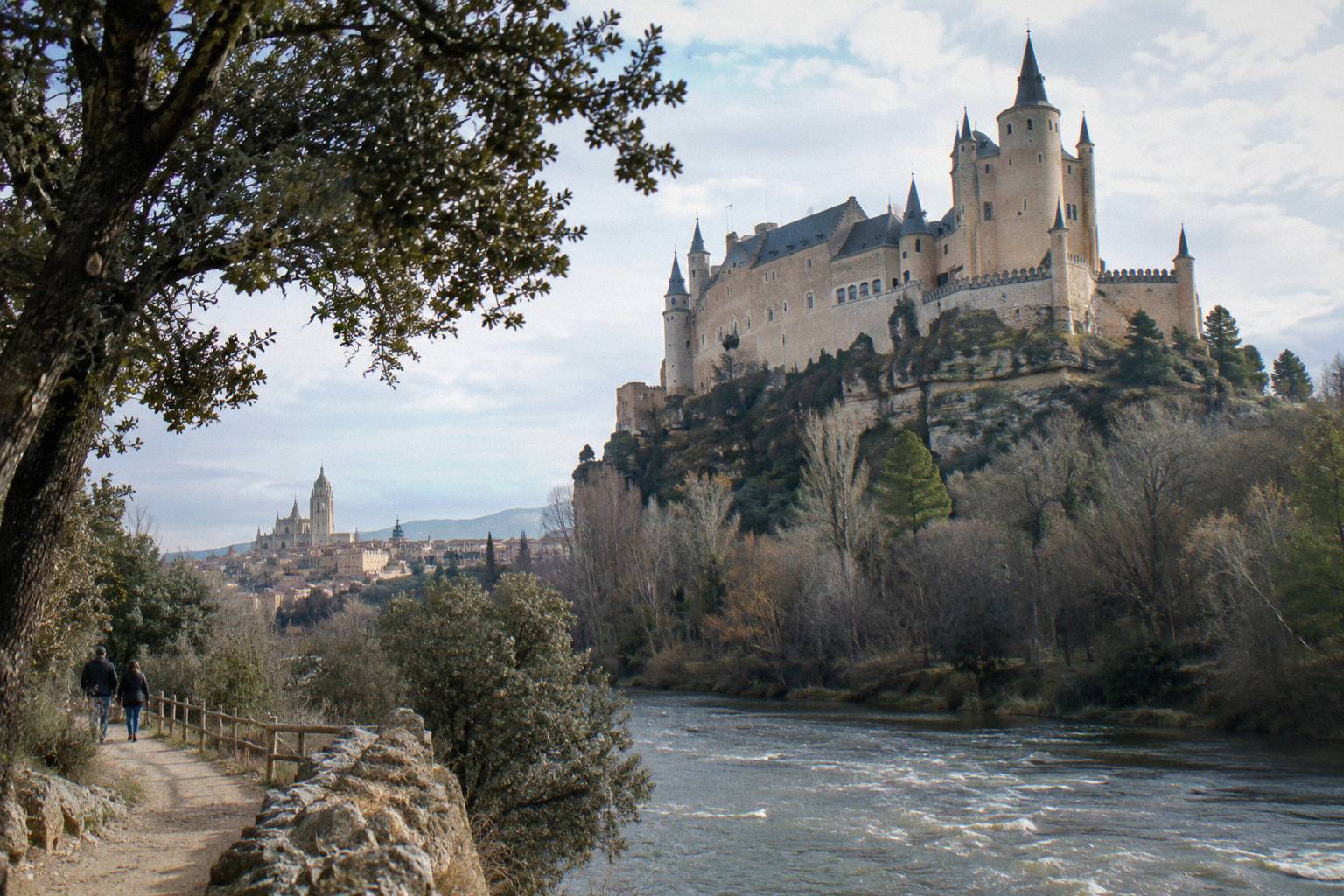
That pairing is worth pausing on, because Segovia specialises in free-outside, paid-inside pairs, and the Alameda is a clean example. The Roman Aqueduct is free to see, while the Aqueduct Interpretation Centre is inside the 5 EUR Real Casa de Moneda ticket. The Muralla walk is free, while the Puerta de San Andres interior is ticketed. The Cathedral exterior and its Plaza Mayor frontage are free, while the usual Cathedral visit is 4 EUR and the guided tower visit is 7 EUR. The Alameda and El Parral follow the same grammar: free path, donation interior, and never a sentence that makes the second free because of the first.
Practically, the Alameda is also where the monastery is best seen from the outside. Its long wall line and towers read differently from along the avenue than from the high viewpoints across the valley, and visitors who miss the interior because of the pass times still leave with the full exterior experience. In winter, when the crowds thin and December averages about 5 degrees Celsius and January about 4, with frost and occasional snow, the Alameda is a short, sheltered walk that still delivers the view, which is one reason the winter free things article keeps this area on its list.
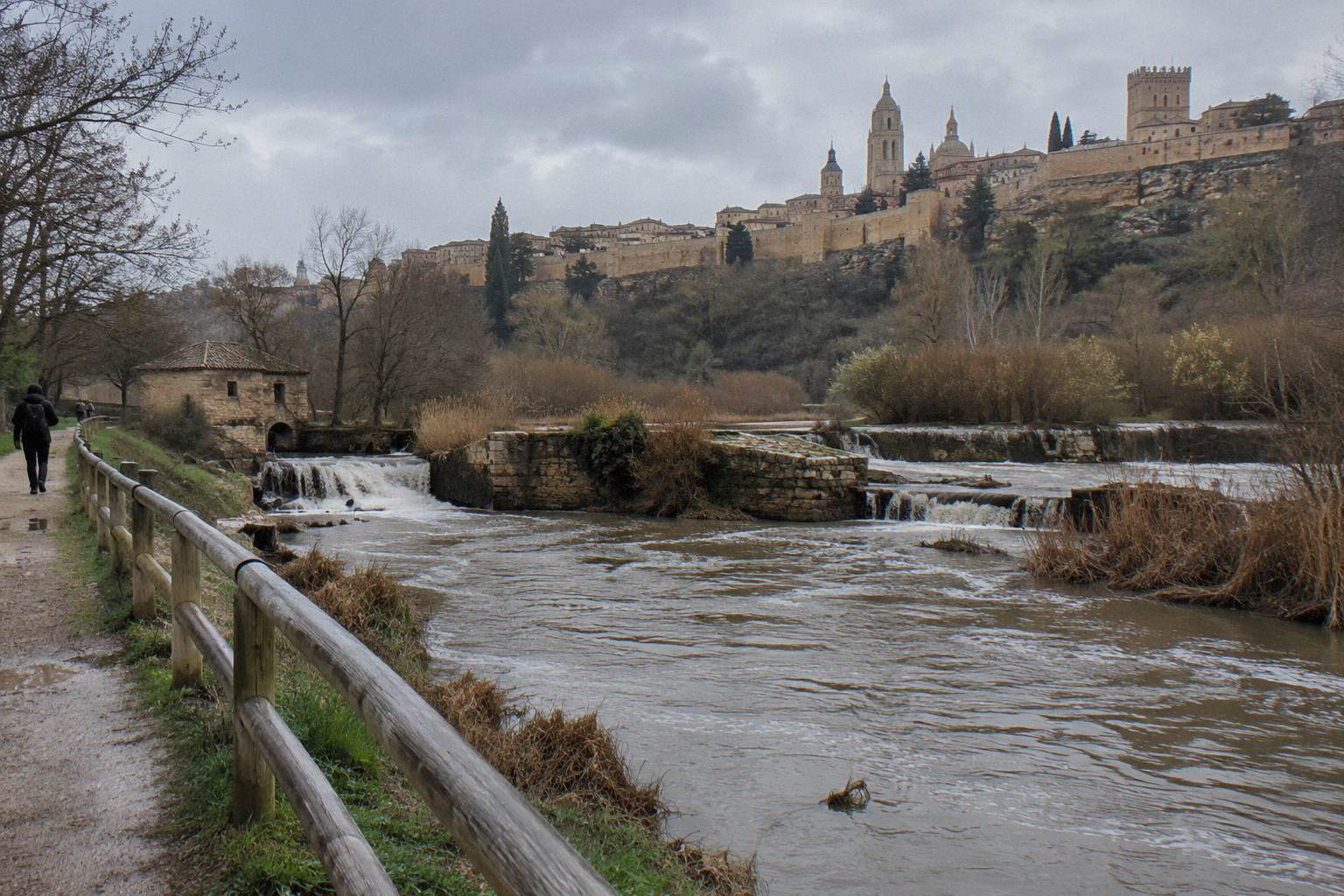
The Alameda then hands you onward. East along the river, the paths continue toward the meadows below the Alcazar; up the slope, El Pinarillo's woodland holds the Jewish cemetery viewpoint; and back along the valley, the Senda de los Molinos threads the riverbank. Nothing on this list asks for money, which makes the Alameda the hinge of the cheapest half day in the city.
How Do You Combine The Monastery And The Valley Walk?
The natural combined route is: start at the Alcazar meadow or the Muralla walk, drop to the river, follow the free Eresma paths west to the Alameda del Parral, and time the monastery's 11:00 or 17:00 pass, Wednesday to Sunday, as the interior stop if you want it. The paths carry the whole distance for free, the monastery is the only part with a schedule, and the order can be reversed depending on whether you want the interior visit early or late. Nothing else in the combination costs anything unless you choose to donate.
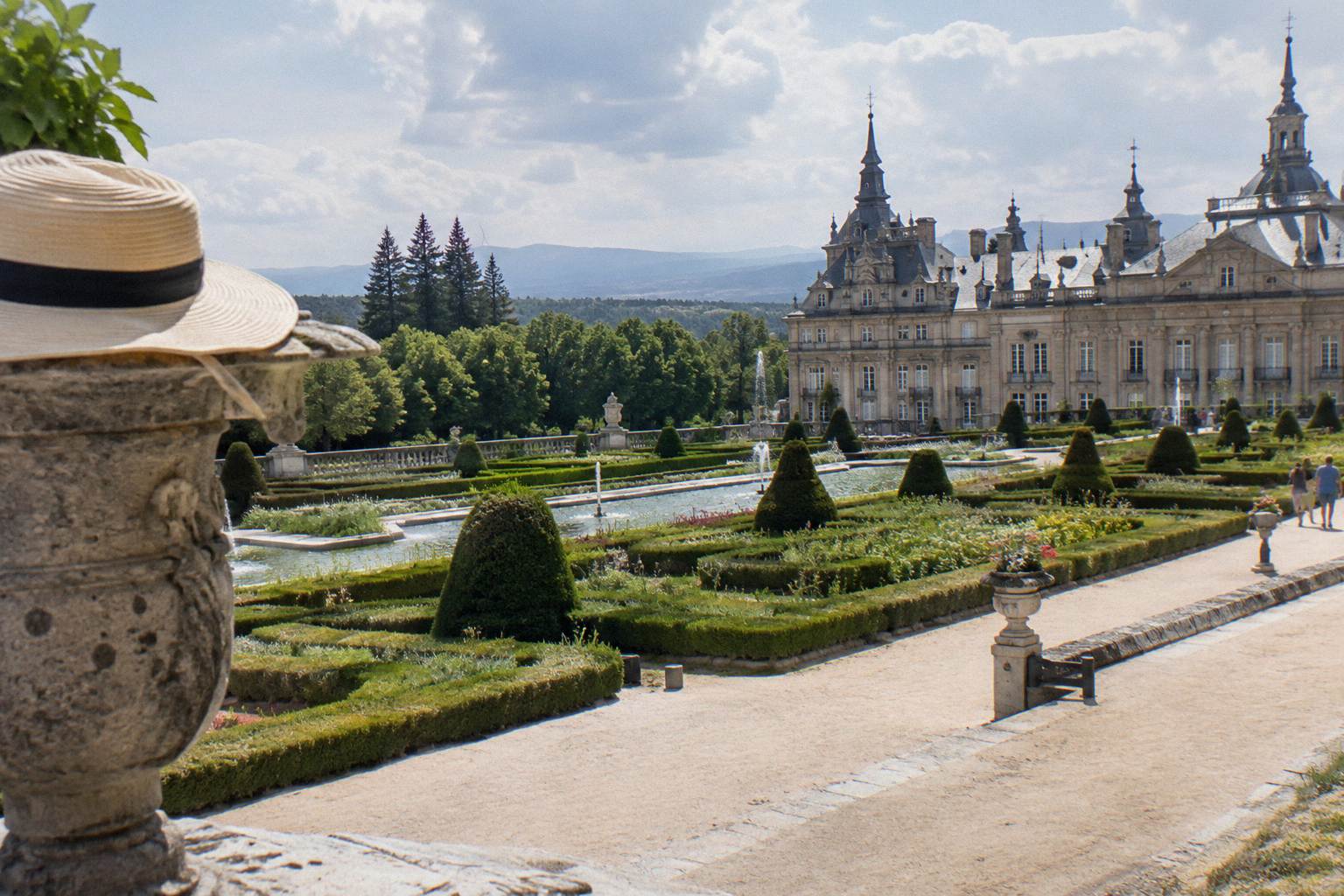
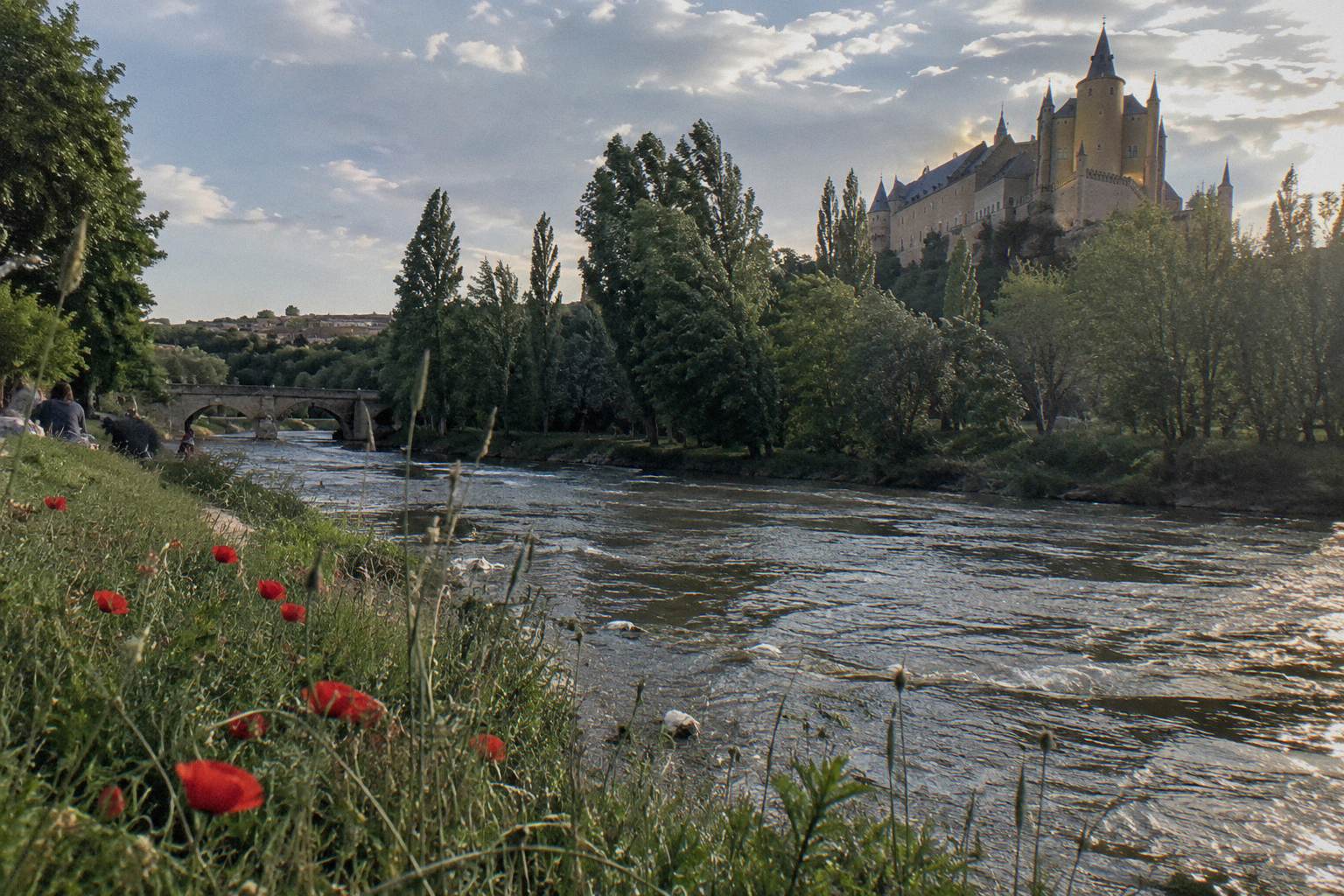
Two honest timings frame the plan. First, Monday and Tuesday remove the monastery entirely, so those days are pure path days: do the river, the Alameda, El Pinarillo and the viewpoints, and save the interior for later in the week or skip it. Second, the 11:00 and 17:00 passes sit at opposite ends of the day, and each suggests a different shape. An 11:00 visit means walking down early and returning through the city in the afternoon; a 17:00 visit means the paths, the meadow and the Judería first, the monastery last, and a slow evening walk back up.
The free pieces assemble in more than one order. A morning shape: Aqueduct to start, the free walk meeting points are both in that neighbourhood, then the Judería streets, then down to the river and west to the Alameda for the 11:00 pass, returning past the Pradera de San Marcos and the Alcazar viewpoints. An afternoon shape: Muralla walk first, down to the Eresma, El Pinarillo's viewpoint, along the river to the Alameda, the 17:00 pass, then back up as the light comes off the valley. Both shapes keep every paid interior optional.
This is also where a guided walk fits, if you want one. The city's English walk offer is exactly 2 free walking tours in English (1 on GuruWalk, 1 on freetour.com). The freetour.com walk is the Bilingual Monumental Walk, already described above. The GuruWalk walk is Segovia is a different story (Small groups), run by Patricia, meeting at Plaza del Azoguejo, next to the tourist office, an hour and a half in English, rated 4.7 out of 5 across 10 GuruWalk reviews, free to join with pay what you want. Both belong to the Aqueduct And Old Town category, so neither replaces the valley walk; a morning walk plus an afternoon valley route is the natural pairing, and the meeting points and times guide holds the practical detail.
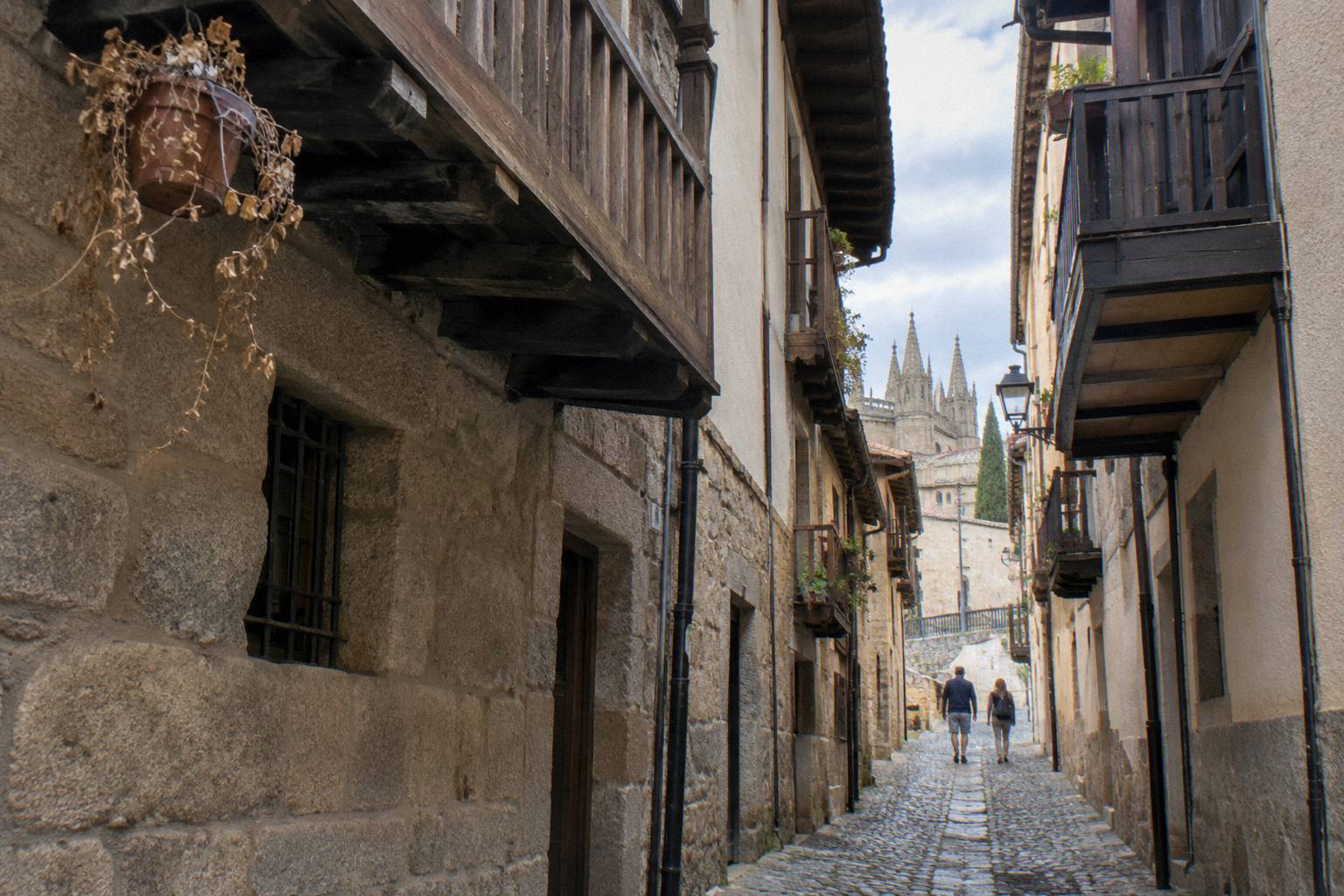
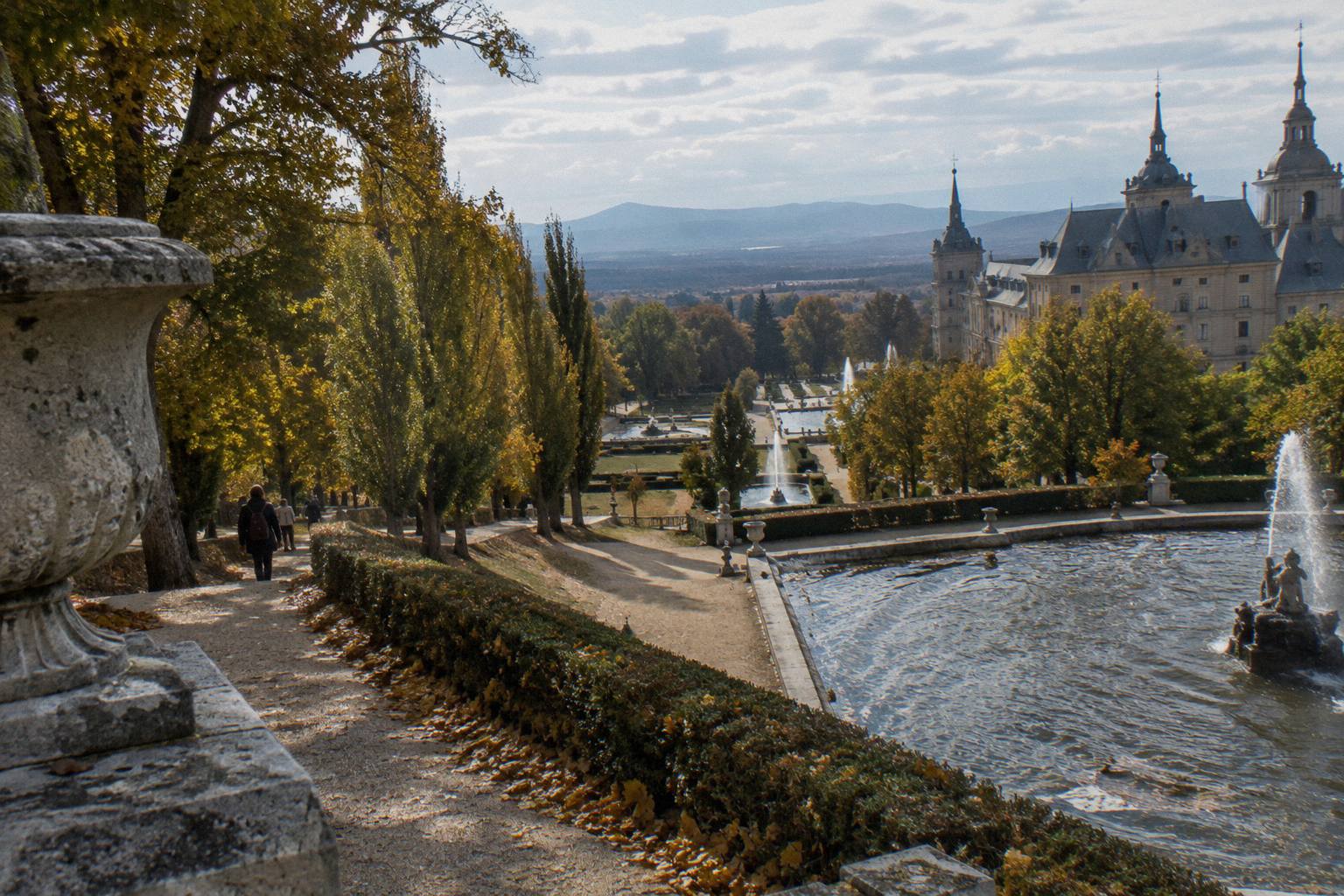
A final planning note on seasons and days. The paths hold no schedule, but the light and the weather do the scheduling instead: the valley's trees make the Alameda a summer walk and a stark one in frost, and the monastery's 17:00 pass lands differently in June than in December. If your trip includes La Granja de San Ildefonso outside the city, remember that the fountain shows there are ticketed, that free admission to the gardens is not confirmed by an official page, and that the fountains do not run in winter; the La Granja gardens guide covers that separately, and the valley walk stands on its own without it.
Mistakes That Trip People Up At El Parral And The Eresma Valley
The four mistakes that most often derail a visit to El Parral and the Eresma Valley are assuming the monastery is free, turning up outside the two pass times, scheduling the trip for a Monday or Tuesday, and expecting the valley paths to share the monastery's schedule instead of keeping their own hours. El Parral works by donation at 11:00 and 17:00, Wednesday to Sunday, and closed the other days; the Eresma paths, the Alameda and the viewpoints are free and unscheduled. Getting one half wrong usually costs the other half of the day, because the valley is far enough from the monumental core that a wasted trip down is a real loss of time.
The first mistake is the language one. Well-meaning summaries call El Parral a free monastery, and that phrasing sends visitors to the door expecting nothing to be asked of them. A donation entry is a real arrangement: the monastery keeps its visiting possible through what visitors give, and no amount is published, so the visitor decides. Writing it as free flattens that and misrepresents the place. The honest sentence is short: entry is by donation, at two timed passes, and the paths outside are the free part.
The second mistake is calendar blindness. Wednesday to Sunday is the monastery's week, full stop. A Monday or Tuesday visit sees the exterior from the Alameda and nothing more, which is a legitimate outcome but should be a choice, not a surprise. The third is clock blindness: 11:00 and 17:00 are passes, not opening hours, and there is no all-day window in between. Build the day around one pass or drop the interior.
The fourth mistake is transfer error, the assumption that a rule from one Segovia site applies citywide. Free Wednesdays exist, but only at named places: the Real Casa de Moneda, the Centro Didáctico de la Judería and the Casa-Museo Antonio Machado, on non-holiday Wednesdays. The Museo de Segovia's free window is weekends and listed holidays, 1 EUR otherwise. The Museo Esteban Vicente is always free. None of these is El Parral's rule, and El Parral's rule is nobody else's. The free museums and free entry days guide tabulates the lot, and it is the page to check before stacking a multi-museum day against a monastery pass.
A fifth, quieter error is expecting facilities. The valley paths are countryside: no ticket desk, no cafe obligation, no staffed gate, and in the cold months, frost and occasional snow with December around 5 degrees and January around 4 on average. Dress for a riverside walk, not a monument corridor, and the free side of this area gives exactly what it promises: an hour or more of river, trees, walls and towers, with the city looking down from the ridge the whole way.
Common Questions About El Parral Monastery And The Eresma Valley Free Walk
Is The Monasterio De El Parral Free To Enter?
No. Entry works by donation at two timed passes a day, 11:00 and 17:00, Wednesday to Sunday, closed Monday and Tuesday. No donation amount is published; the visitor decides. The Eresma valley paths and the Alameda del Parral outside the monastery are the genuinely free parts of this area.
When Is El Parral Monastery Open?
Wednesday to Sunday, with visits at 11:00 and 17:00. It is closed all day Monday and Tuesday. These are timed passes rather than continuous opening hours, so arriving between them means the doors stay shut until the next pass.
Are The Eresma Valley Paths Really Free?
Yes. The Senda de los Molinos, the Camino Natural del Eresma stretch, the Alameda del Parral and the riverside ground around El Pinarillo are open public paths with no charge, no gate and no booking. They run every day, including the days the monastery is closed.
Can You See The Alcazar From The Eresma Walk?
Yes, from the outside viewpoints and the Pradera de San Marcos meadow across the river, both free. The Alcazar interior is a separate ticket; the only free interior slot is for EU citizens on non-holiday Tuesdays from 14:00 to 16:00, box office only, and the Torre de Juan II never has a free slot.
How Long Does The Monastery And Valley Walk Take?
The paths themselves are unscheduled, so the time is yours to set; the fixed points are the monastery's 11:00 and 17:00 passes, an hour and a half long at most to build around. A relaxed visit to this side of the city, river paths plus Alameda plus a timed pass, fits comfortably into a morning or an afternoon.
Is There A Free Guided Walk That Covers This Area?
The English-language free walks on this site belong to the Aqueduct And Old Town category: the Bilingual Monumental Walk on freetour.com and Segovia is a different story (Small groups) with Patricia on GuruWalk, both an hour and a half and pay what you want. Neither covers the valley, so pair one with this self-guided route.