Free Festivals And Events In Segovia
Which Segovia festivals and events cost nothing, what Titirimundi and Semana Santa are actually free to watch, and what is on in winter.
In Short
Yes, Segovia has a real free festival calendar. The Semana Santa processions can be watched from public streets at no cost, the Three Kings parade comes through on 5 January, and a belén contest runs its entry window from 17 November to 1 December. Titirimundi, the puppet festival, stages free outdoor shows alongside its ticketed indoor ones. On top of that, the city has 2 free walking tours in English (1 on GuruWalk, 1 on freetour.com).
This question sits inside the free things to do in Segovia in one day guide.
Quick Facts
| What | Free status |
|---|---|
| Semana Santa processions | Free to watch from public streets |
| Three Kings parade | Free to watch, held on 5 January |
| Belén contest entries | Window runs 17 November to 1 December |
| Titirimundi outdoor shows | Free street performances alongside ticketed indoor ones |
| Museo de Arte Contemporáneo Esteban Vicente | Always free, year in and year out |
| Free walking tours in English | 2 free walking tours in English (1 on GuruWalk, 1 on freetour.com) |
Free Festivals And Events In Segovia
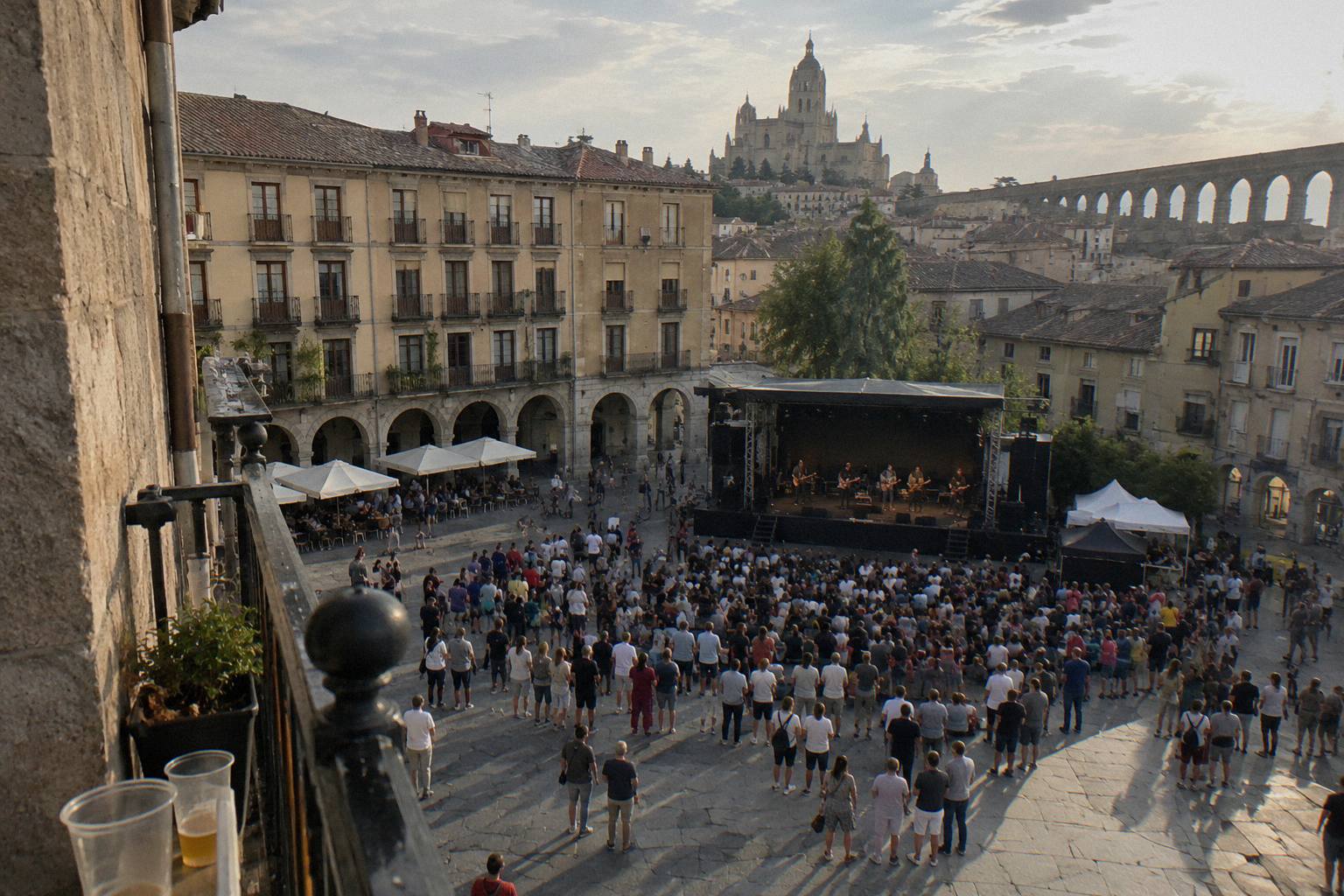
Yes, Segovia has a festival calendar with a genuinely free core. The Semana Santa processions pass through public streets that anyone can stand on, the Three Kings parade runs on 5 January, and a city belén contest takes entries between 17 November and 1 December. Titirimundi, the international puppet festival, puts free outdoor performances in streets and squares next to its ticketed theatre programme. None of these needs a ticket to watch from a public spot.
The free side of the calendar is the outdoor side. Processions, parades, street theatre and nativity displays all happen in space nobody charges for: the Plaza Mayor, the streets around the Judería, the approaches to the Roman Aqueduct and the squares of the old town. That is the pattern across the whole year in this city. When an event moves indoors, into a theatre or a ticketed monument, the free status usually stops at the door, exactly as it does with the monuments themselves, where a viewpoint or a facade costs nothing and an interior often does.
It helps to think of the year in three blocks. Spring brings Semana Santa and, in the same season, Titirimundi. Summer belongs to the La Granja fountain shows at the royal gardens outside the city, which are ticketed and do not run in winter. Winter, from November through February, is the quiet stretch: the belén contest, the Three Kings parade on 5 January and cold, short days when the indoor free options, like the Museo de Arte Contemporáneo Esteban Viciento, carry more weight. The museum's actual name is the Museo de Arte Contemporáneo Esteban Vicente, and it is always free, the one museum in the city with no conditions attached at all.
The walks slot into any of these seasons. The English edition of this city's free walks covers the Aqueduct And Old Town ground, where several of the outdoor events are staged, and both walks run an hour and 30 minutes. One is the Bilingual Monumental Walk, listed on freetour.com in English and Spanish, meeting at Calle Fernán García, corner of Ochoa Ondategui, rated 9.2 out of 10 across 126 freetour.com reviews. The other is the Small Group, English Walk on GuruWalk. Between the festival streets and the free museums, a visitor can fill several days without buying a single event ticket.
Which Free Events Happen In Segovia?
The free events are the outdoor ones: the Semana Santa processions in spring, the Titirimundi street performances in the same season, the Three Kings parade on 5 January, and the belén contest whose entries run 17 November to 1 December. All of them can be watched from public streets and squares at no cost. Indoor festival programmes, theatre sessions and monument interiors are a different matter and usually carry a ticket.
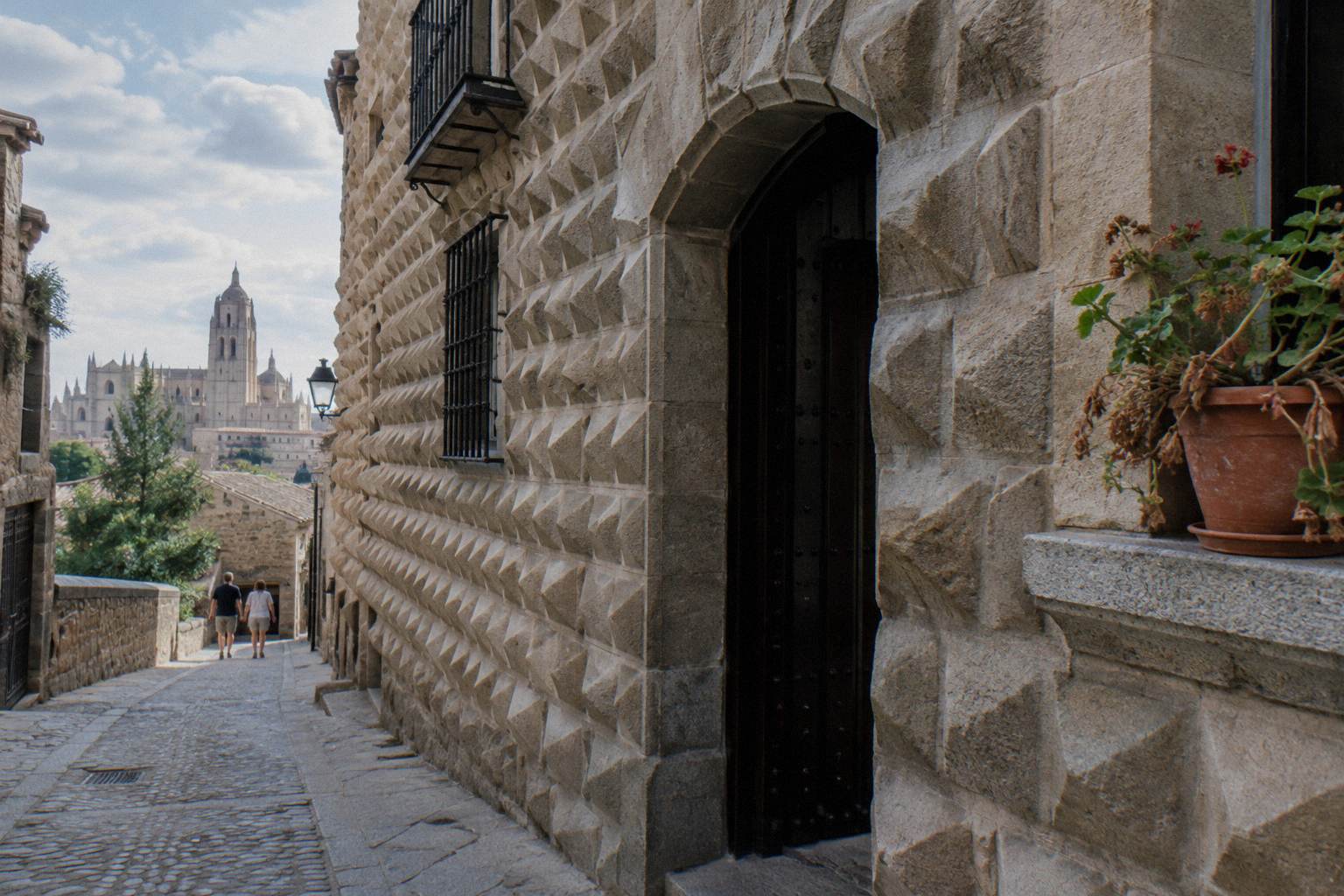
The processions are the oldest and largest free spectacle of the year. Brotherhoods carry floats through the streets of the old town during Semana Santo, or Holy Week, and every metre of the route is public highway. Nobody sells a spot, nobody fences a viewpoint. The dates move each year with the religious calendar, so there is no fixed date to print here, only the fact that the processions are free to watch from wherever you can stand.
Titirimundi is the international puppet festival that takes over the city in spring. Its indoor theatre programme is ticketed, but the festival has always spread into the open air, with puppet shows staged in squares and streets where anyone can stop and watch. That split, free outside and paid inside, mirrors the monument pattern all over this city: the Roman Aqueduct is free to see while the Aqueduct Interpretation Centre sits inside the 5 EUR Real Casa de Moneda ticket, and the Cathedral exterior and its Plaza Mayor frontage cost nothing while the usual Cathedral visit is 4 EUR and the guided tower visit is 7 EUR.
Winter's free events are smaller and cosier. The belén contest, the city's nativity scene competition, takes entries between 17 November and 1 December, and the scenes themselves are displayed where the public can see them. The Three Kings parade, the cabalgata, comes through on 5 January, and like every parade in the city it is a street event, free to anyone standing along the route. December averages about 5 degrees C and January about 4 degrees C, with frost and occasional snow, so winter spectators dress for it.
Festival days change the shape of a visit in ways worth planning around. Squares fill, the old town's narrow streets get dense, and the free walks, which meet at fixed points in the Aqueduct And Old Town neighbourhood, are worth reserving ahead on busy weekends. The walks themselves stay free, pay what you want, on both platforms, and each runs an hour and 30 minutes, which pairs neatly with an afternoon procession or an evening parade.
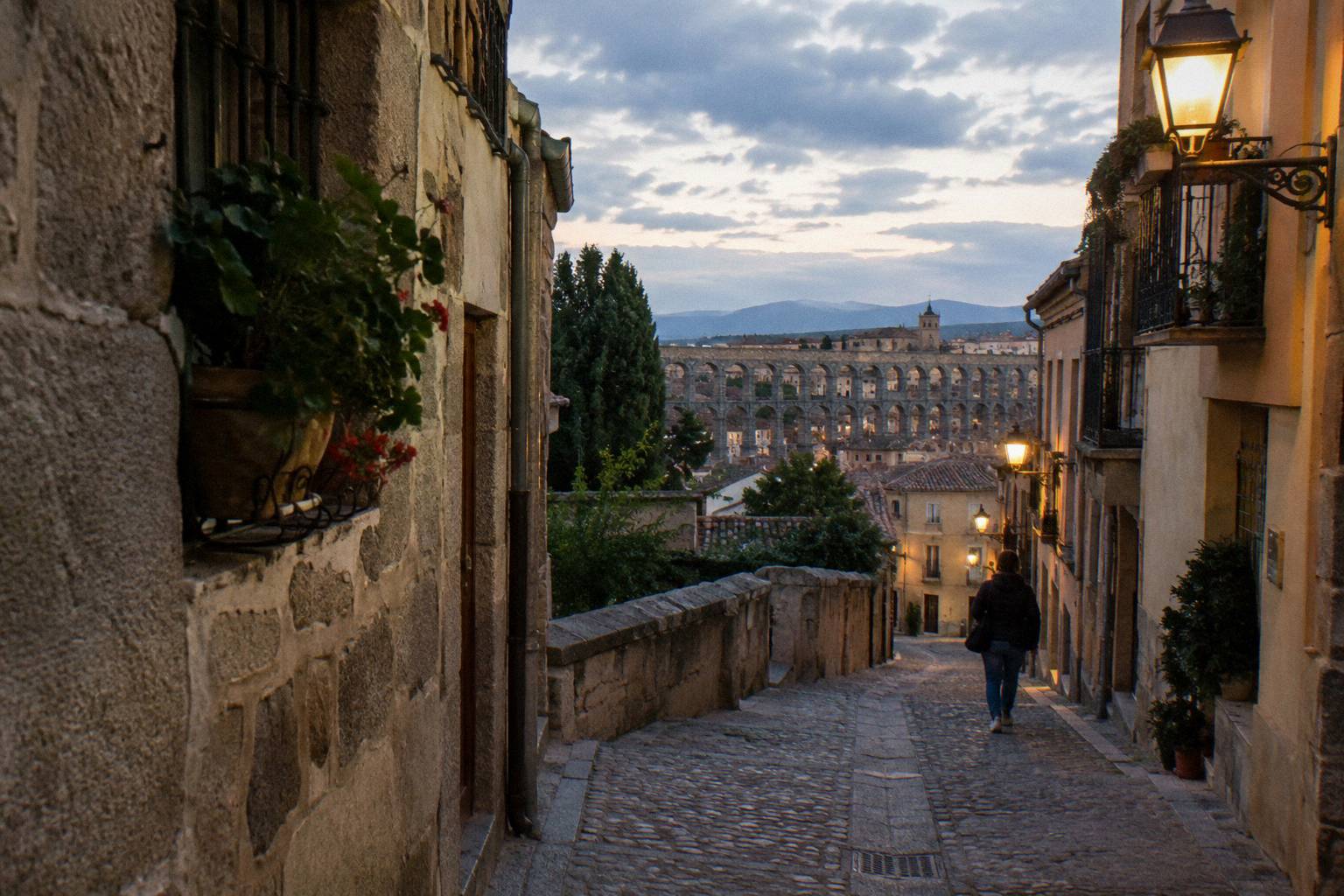
Between the fixed festivals, the calendar has recurring free anchors that do not depend on dates at all. The Museo de Arte Contemporáneo Esteban Vicente is always free. The Alcazar's exterior and its viewpoints cost nothing, though entry inside the palace is a separate ticket except in one narrow case: the free Palace and Museum slot runs on non-holiday Tuesdays from 14:00 to 16:00, only for citizens of the European Union, bought individually at the box office during that window, and capacity-limited. The Torre de Juan II never has a free slot. The Cathedral lets anyone in only during Sunday worship hours, 09:00 to 10:00 from April to October and 09:30 to 10:30 from November to March, church only with the cloister closed. These are standing free options that fill the gaps between festival dates.
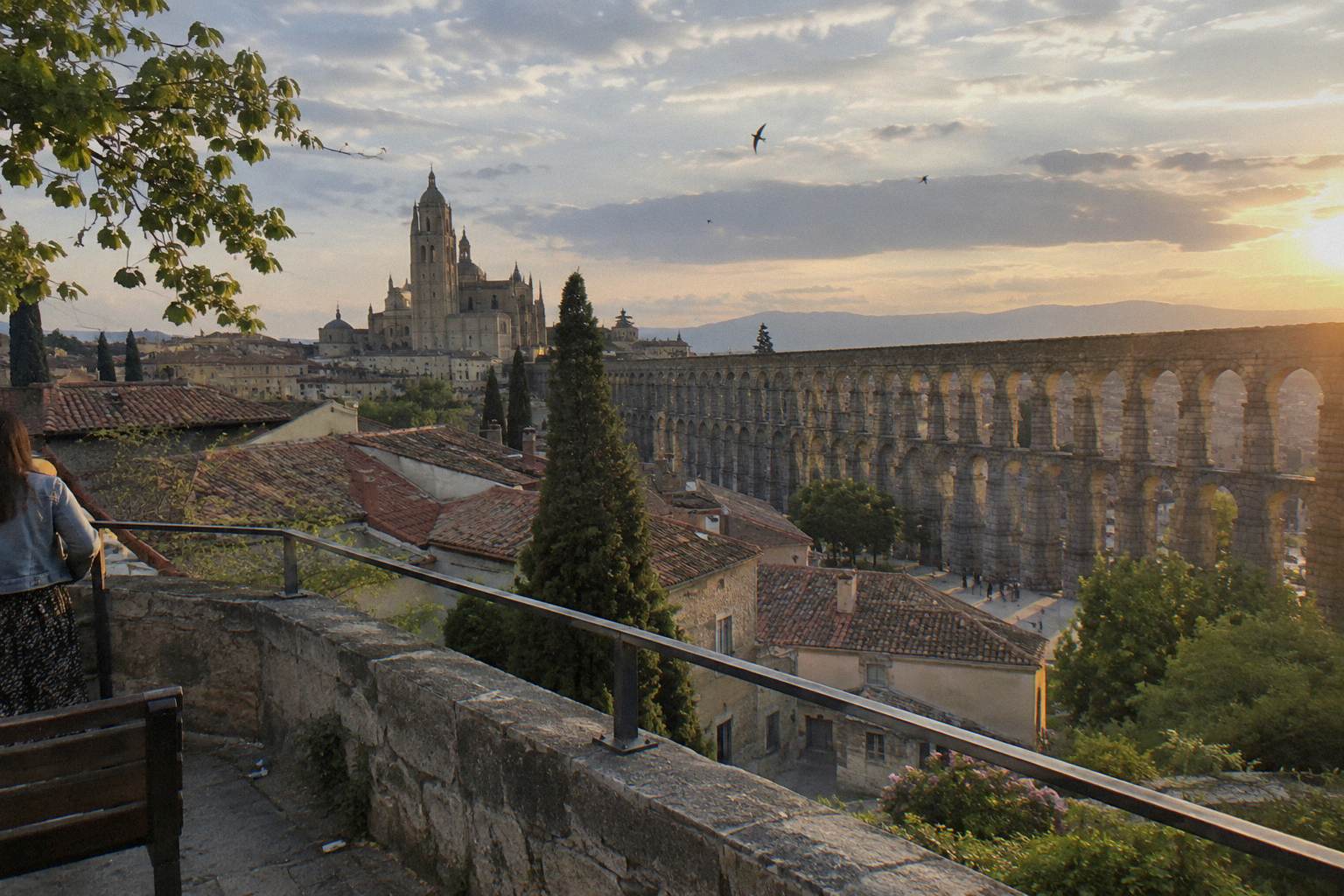
What Is Titirimundi And Is It Free?
Titirimundi is Segovia's international puppet festival, held in spring, and it is partly free. Its indoor theatre sessions are ticketed, while the outdoor performances staged in streets and squares cost nothing to watch. The exact ticket price for indoor shows is not published on an official page, so this article does not print one. The free street programme is the part that matters for a no-spend visit.
The festival fills the city with puppetry for a stretch of the spring, with companies performing in theatres, courtyards and open streets. The indoor programme, the ticketed half, is where the full-length shows sit. The outdoor half is the festival's public face: short performances in squares and on street corners, staged where anyone can gather. For a visitor budgeting zero, the outdoor programme is the festival.
The honest answer on price is that no confirmed ticket figure exists for the indoor shows on an official page, so none appears here. What is confirmed is the structure: ticketed indoors, free outdoors.
Timing matters with this festival. The dates move, editions change their programmes, and the outdoor schedule is published close to the festival itself. A visitor who arrives during Titirimundi without checking anything will still stumble on street shows in the old town, because that is how the festival uses the city. A visitor who wants a specific show checks the organiser's own pages before travelling.
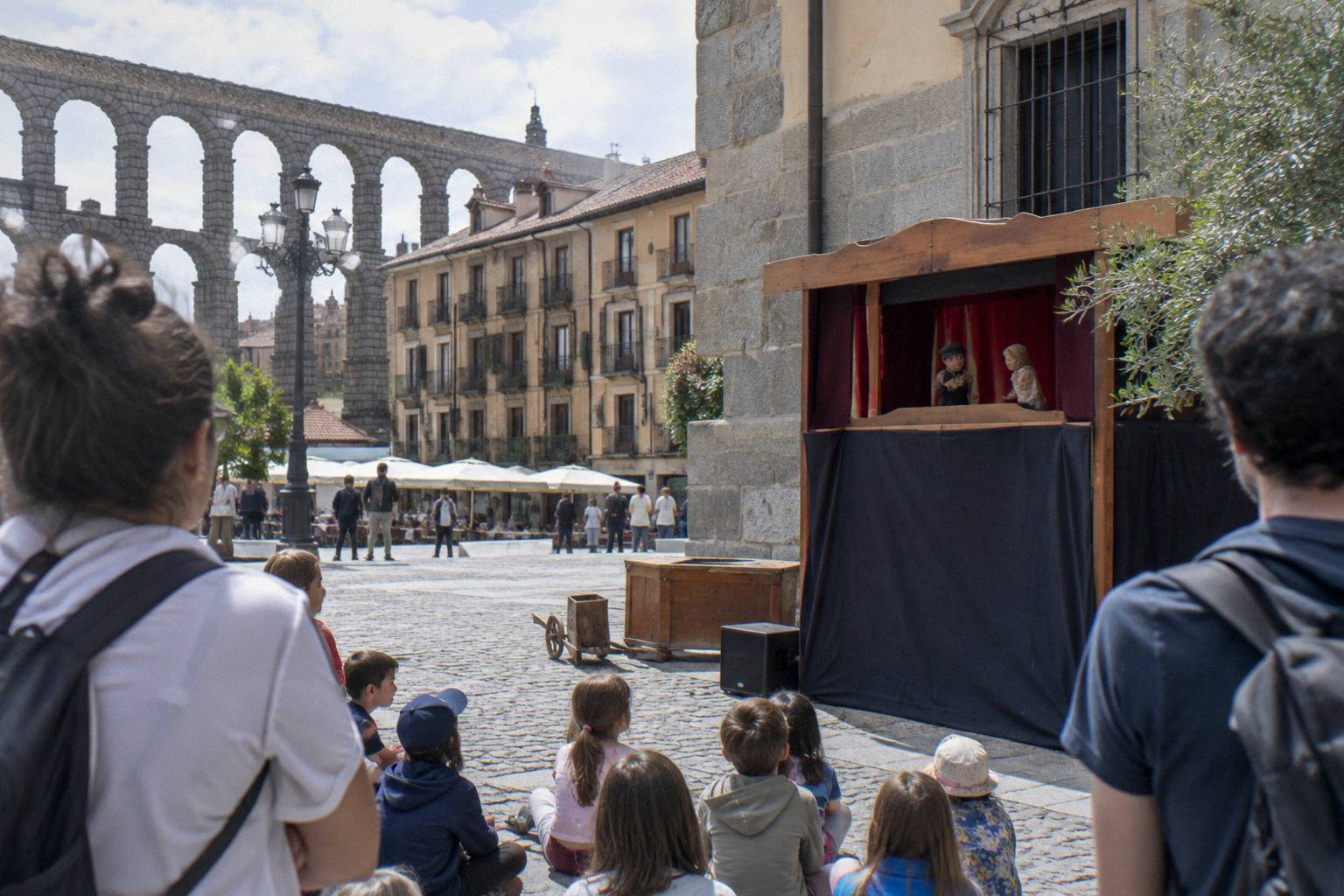
Titirimundi also changes how the free walks fit into a day. The festival's outdoor stages sit in the same Aqueduct And Old Town streets the walks cover, so a morning walk and an afternoon of street puppetry use the same ground twice, cheaply. The Small Group, English Walk on GuruWalk meets at Plaza del Azoguejo, next to the tourist office, and the Bilingual Monumental Walk on freetour.com meets at Calle Fernán García, corner of Ochoa Ondategui, and both run an hour and 30 minutes.
The wider lesson from Titirimundi applies to every festival in this city: find the outdoor component and you have found the free component. The fountain shows at La Granja de San Ildefonso, outside the city, are the counterexample that proves the rule, ticketed and quiet in winter when the fountains are off. If an event happens behind a door, assume a ticket until an official page says otherwise.
Are The Semana Santa Processions Free To Watch?
Yes, the Semana Santa processions are free to watch. They pass through public streets in the old town, and every point along the route is open to anyone standing there. There are no tickets, no reserved viewing areas and no paid access. The dates move each year with the religious calendar, so check the current year's schedule rather than assuming fixed dates.
The processions are street events by nature. Brotherhoods move through the city carrying pasos, the large decorated floats, along routes that use ordinary roads and squares. The spectacle belongs to whoever is standing on the pavement. That makes Semana Santa one of the most accessible free events in Spain, and Segovia's version uses the old town's streets, the same streets a visitor walks anyway between the Aqueduct, the Plaza Mayor and the Judería.
What is not free during Semana Santa is everything the processions pass. The Cathedral, whose exterior and Plaza Mayor frontage cost nothing, charges 4 EUR for its usual visit and 7 EUR for the guided tower visit; only Sunday worship hours, 09:00 to 10:00 from April to October and 09:30 to 10:30 from November to March, let anyone into the church, with the cloister closed. The Alcazar's interior is a separate ticket, free only in the EU-citizen Tuesday window, 14:00 to 16:00 on non-holiday Tuesdays, bought at the box office, capacity-limited, with the Torre de Juan II never free. A Holy Week visit can be entirely free outdoors and entirely paid the moment you step inside.
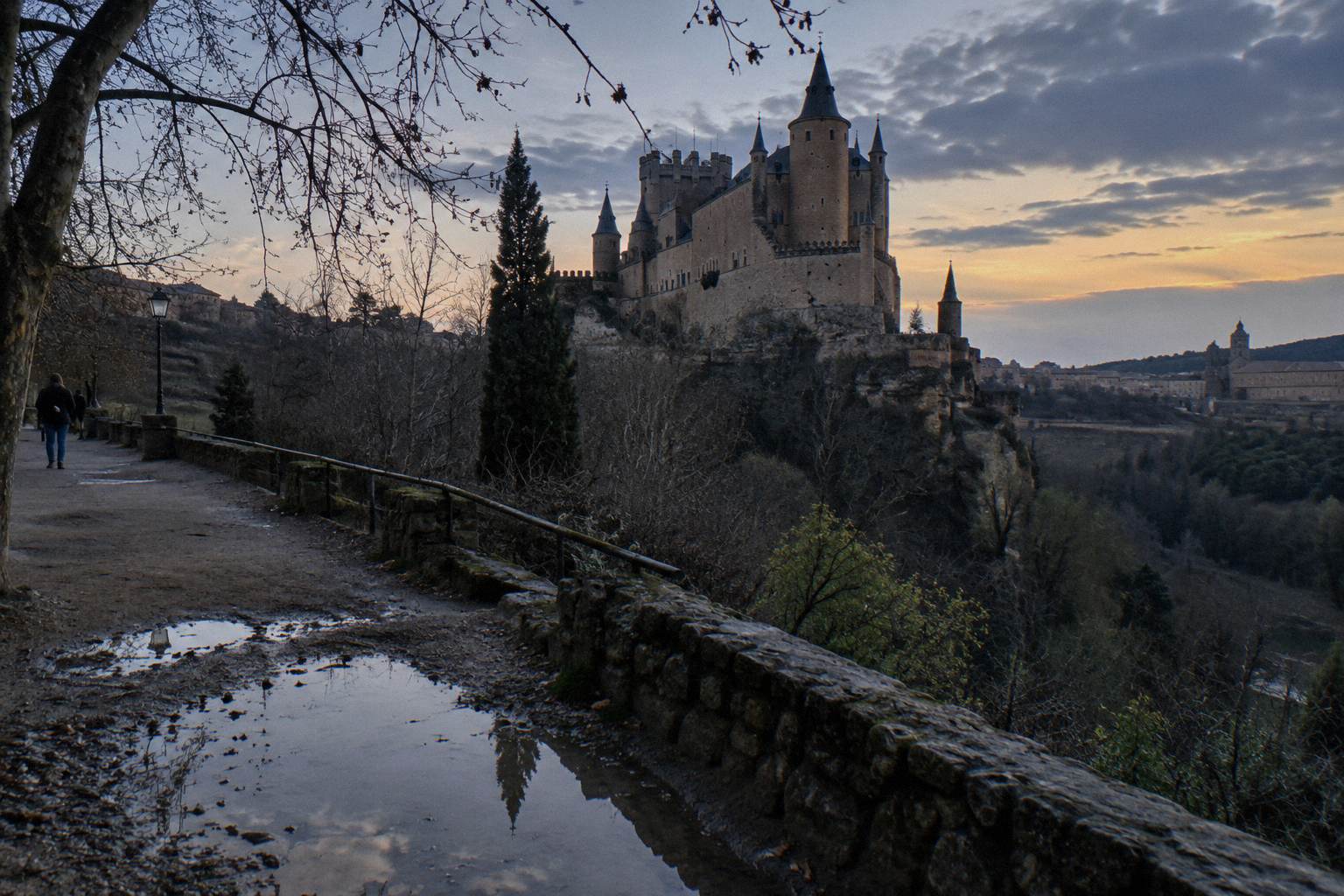
The atmosphere is the draw. Streets that are quiet in ordinary weeks fill with residents, music and the slow movement of the floats. Because the whole thing happens outdoors, the cost of watching is measured in patience and warm clothing, not euros. Spring evenings in Segovia are cool, and processions run late, so layers matter more than money.
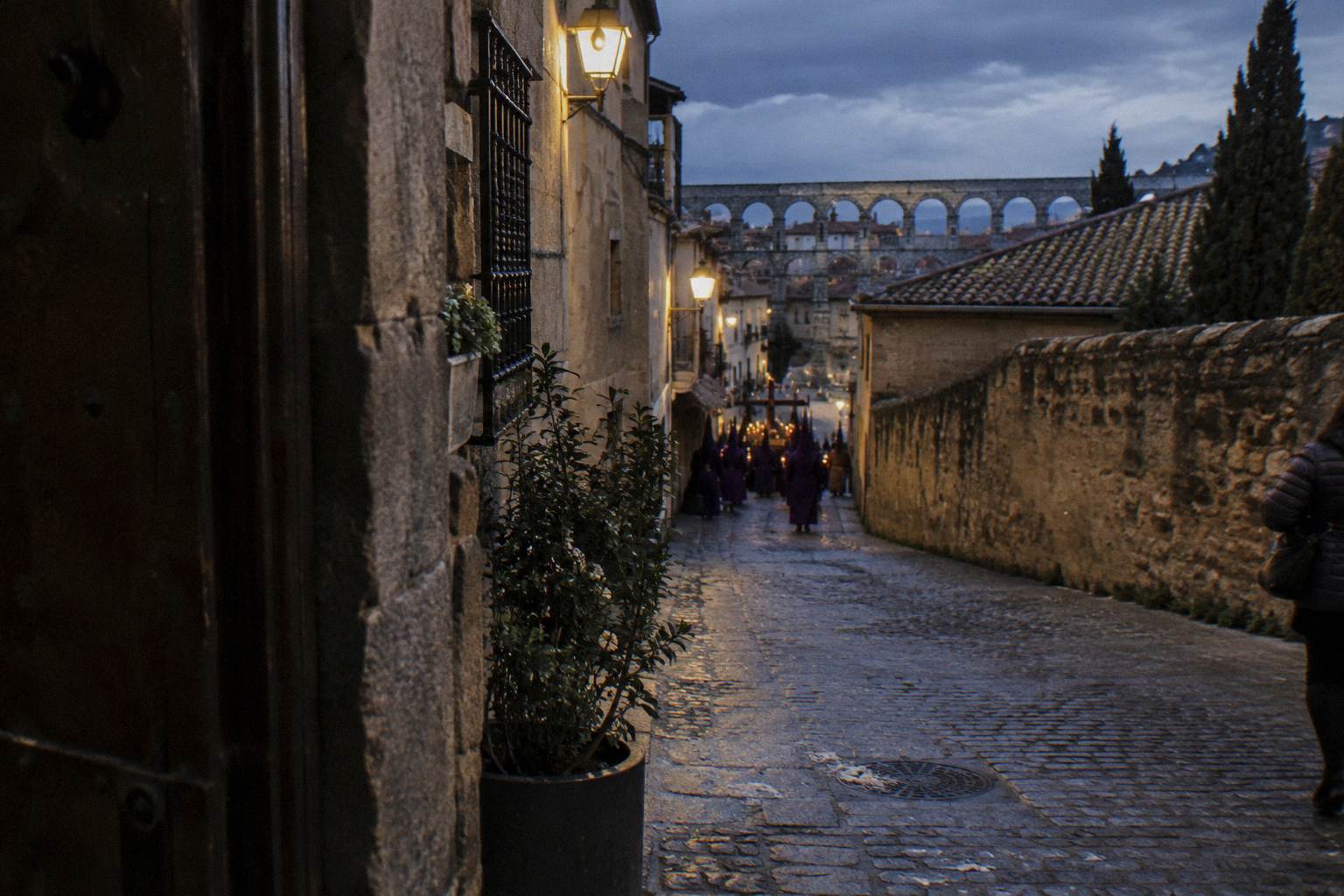
The walks pair well with Holy Week, with one practical note: meeting points sit in the busiest neighbourhood of the busiest week. The GuruWalk option, the Small Group, English Walk, meets at Plaza del Azoguejo, next to the tourist office, rated 4.7 out of 5 across 10 GuruWalk reviews. The freetour.com option, the Bilingual Monumental Walk, rated 9.2 out of 10 across 126 freetour.com reviews, meets at Calle Fernán García, corner of Ochoa Ondategui, and runs in English and Spanish. Both are free to join, pay what you want, and reserved on their own platforms.
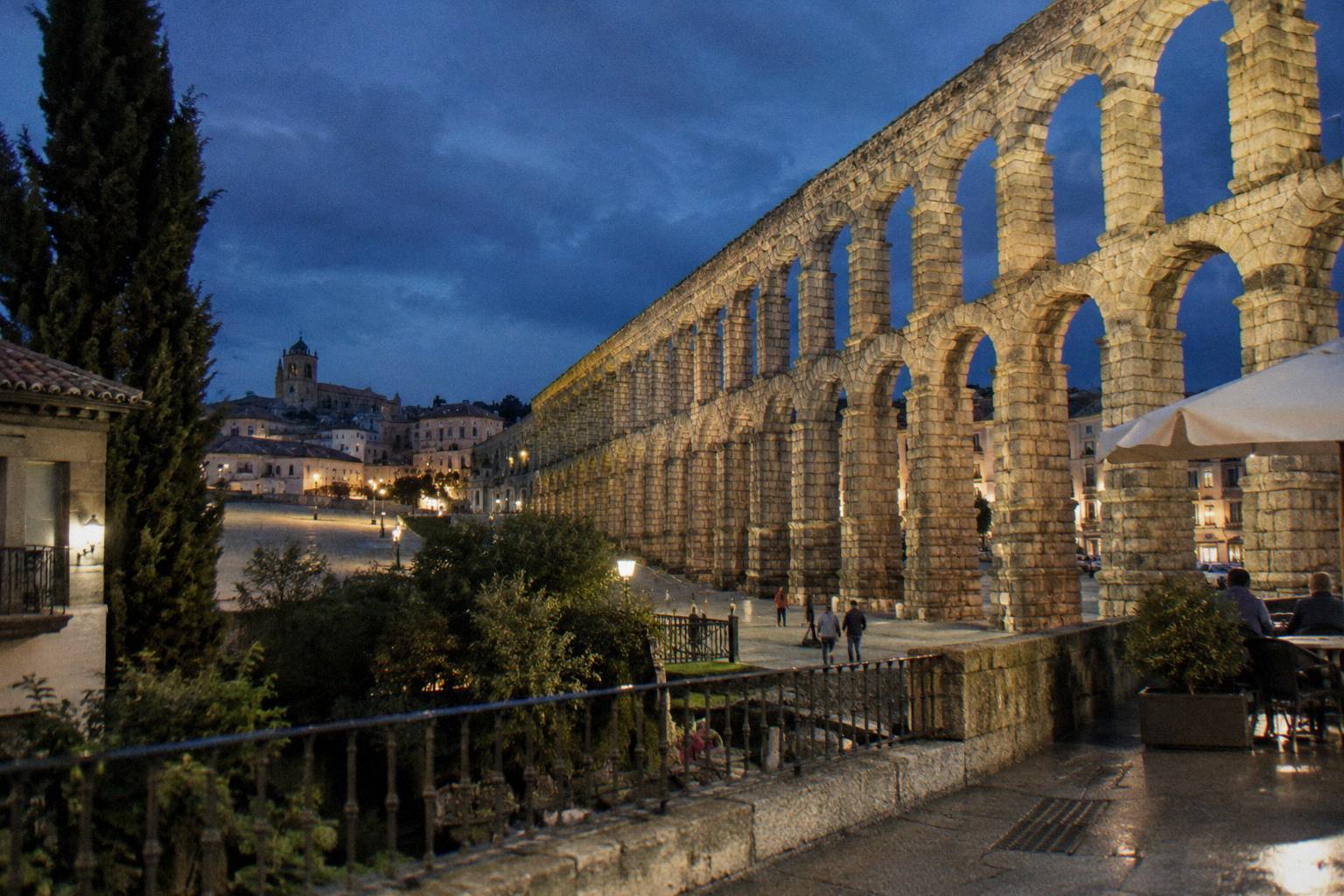
For anyone planning a whole Holy Week trip from the capital, the budget day trip from Madrid guide covers the free side of getting the day right, and the same planning applies to festival weekends, only with more company.
What Is On Between November And February?
Winter in Segovia runs on three free events: the belén contest, whose entries run 17 November to 1 December, the Three Kings parade on 5 January, and the standing free attractions that never close for season. December averages about 5 degrees C and January about 4 degrees C, with frost and occasional snow. The La Granja fountains are off in winter, so the gardens lose their summer spectacle.
The belén contest is the quiet opener. It is the city's nativity scene competition, and its entry window runs from 17 November to 1 December. The nativity scenes are the point: crafted displays placed where the public can see them, a tradition that costs nothing to view. Entries are submitted in that window, and the displays carry the season's atmosphere through the weeks that follow.
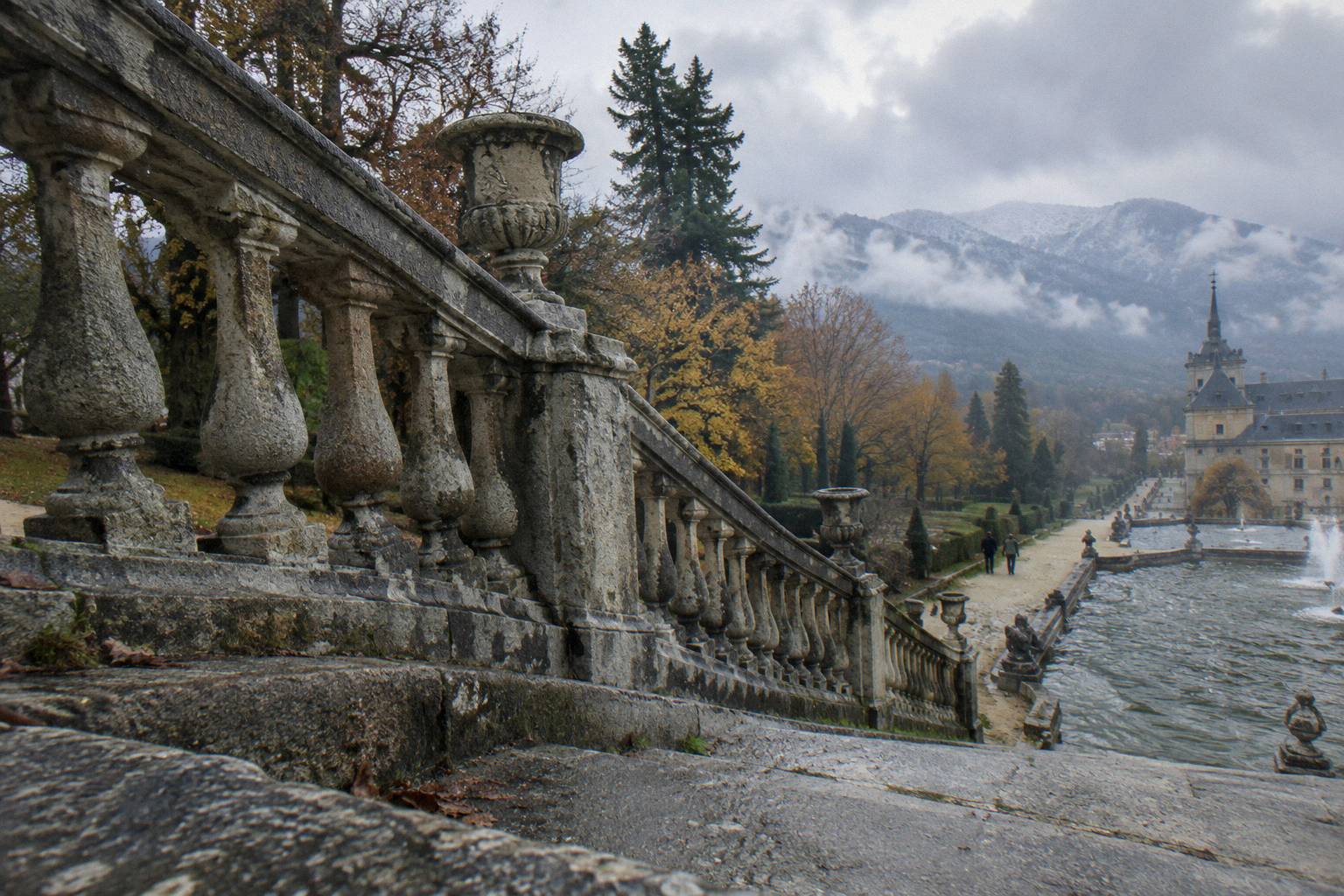
The Three Kings parade on 5 January is winter's big street event. The date is fixed, 5 January, though this article gives the date only and not the route or time, which are published closer to the day. Like all parades here, it is free to watch from any public spot along its path. For families and anyone else, it is the last spectacle of the holiday stretch.
Beyond the events, winter is when the free indoor roster earns its keep. The Museo de Arte Contemporáneo Esteban Vicente is always free, no conditions. The Real Casa de Moneda, the Centro Didáctico de la Judería and the Casa-Museo Antonio Machado are free on non-holiday Wednesdays. The Museo de Segovia, run by the regional government, is free on weekends and listed holidays and 1 EUR otherwise. These are separate bodies with separate rules, and stacking them into a single "free day" gets people caught out, so name the museum and the day each time.
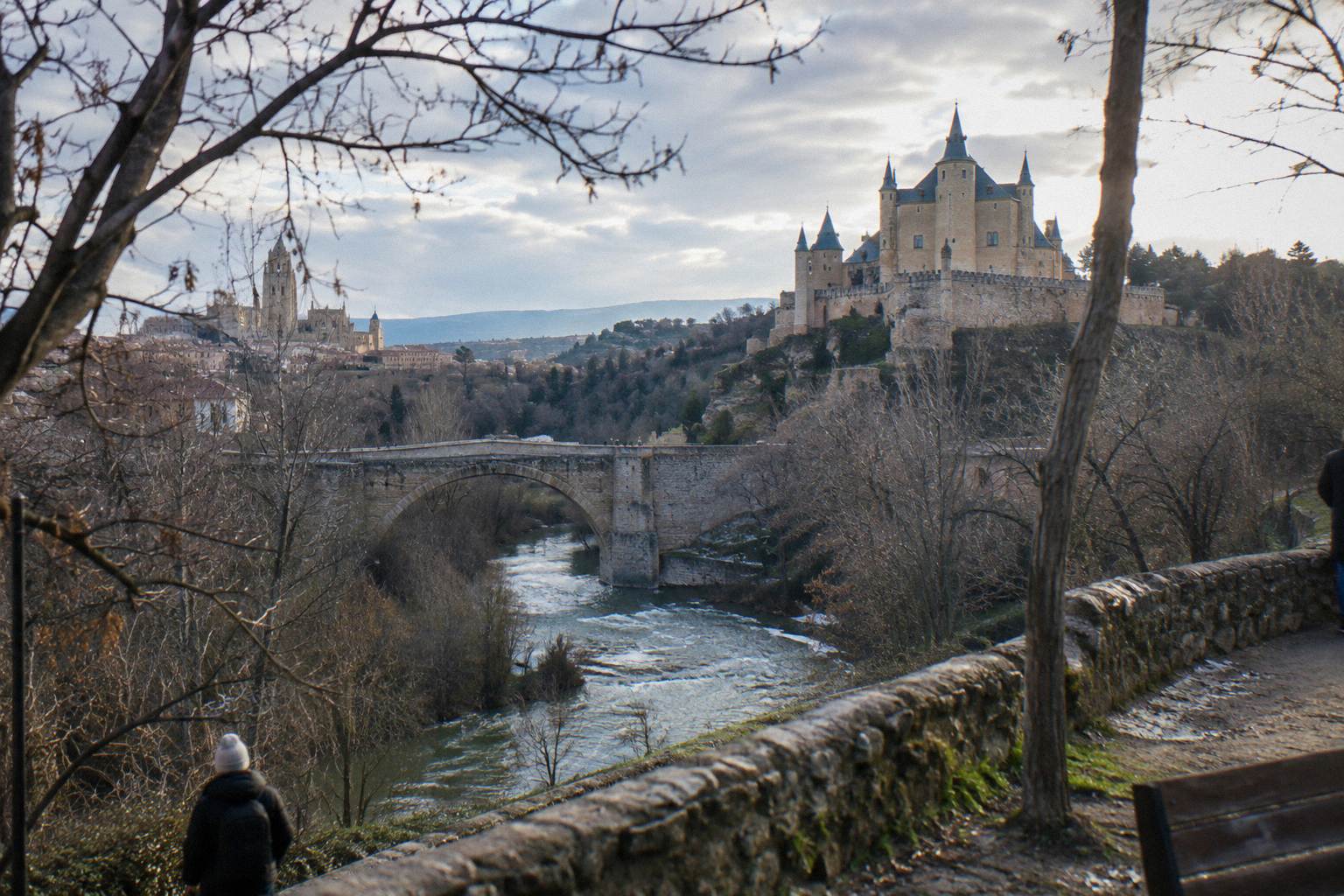
The winter landscape itself is free. The Roman Aqueduct, Plaza del Azoguejo, Plaza Mayor, Plaza de Medina del Campo, the Judería streets, the Muralla walk along the old walls, the Mirador de la Canaleja, the Pradera de San Marcos, the Alameda del Parral, the Eresma river paths and the Jewish cemetery viewpoint at El Pinarillo all cost nothing, and frost or light snow changes how they photograph rather than whether they can be visited. The winter free things to do post goes deeper on the cold-season roster.
One winter dead end to note: the La Granja gardens outside the city keep official opening hours, but their fountain shows are ticketed, the fountains do not run in winter, and free admission to the gardens is not confirmed by an official page. Do not build a winter itinerary around them.
| Winter free option | What it is | Condition |
|---|---|---|
| Belén contest | Nativity scene competition | Entries 17 November to 1 December |
| Three Kings parade | Street parade | 5 January, route and time published closer to the day |
| Museo Esteban Vicente | Contemporary art museum | Always free |
| Real Casa de Moneda, Centro Didáctico de la Judería, Casa-Museo Machado | Museums | Free on non-holiday Wednesdays |
| Museo de Segovia | Regional museum | Free weekends and listed holidays, 1 EUR otherwise |
| Old town outdoor sights | Aqueduct, plazas, Judería, Muralla walk, viewpoints | Free, no conditions |
How Do You Check Event Dates?
Check the organiser's own page for each event, because Segovia's festival dates move every year and next editions are rarely confirmed far ahead. The fixed anchors are the Three Kings parade on 5 January and the belén entry window of 17 November to 1 December. Semana Santa and Titirimundi shift with the calendar, so a date read for one year is wrong for the next. Nothing on this page should be treated as a schedule.
The reason this is its own section is that festival dates are where free-trip planning most often breaks. A parade that ran mid-month one year moves a week the next. Procession routes change with street works and weather. The honest workflow is simple: identify the event, find the body that runs it, and read its own page close to travel. The city's tourism office publishes event calendars, and the individual festivals publish their own programmes.
The walks need the same treatment, with less uncertainty. Each walk has a fixed meeting point and a fixed duration, an hour and 30 minutes, but scheduling and slots live on the platforms: GuruWalk for the Small Group, English Walk, freetour.com for the Bilingual Monumental Walk. Reserving ahead costs nothing, and both walks are free to join, pay what you want, with no amount published on either page.
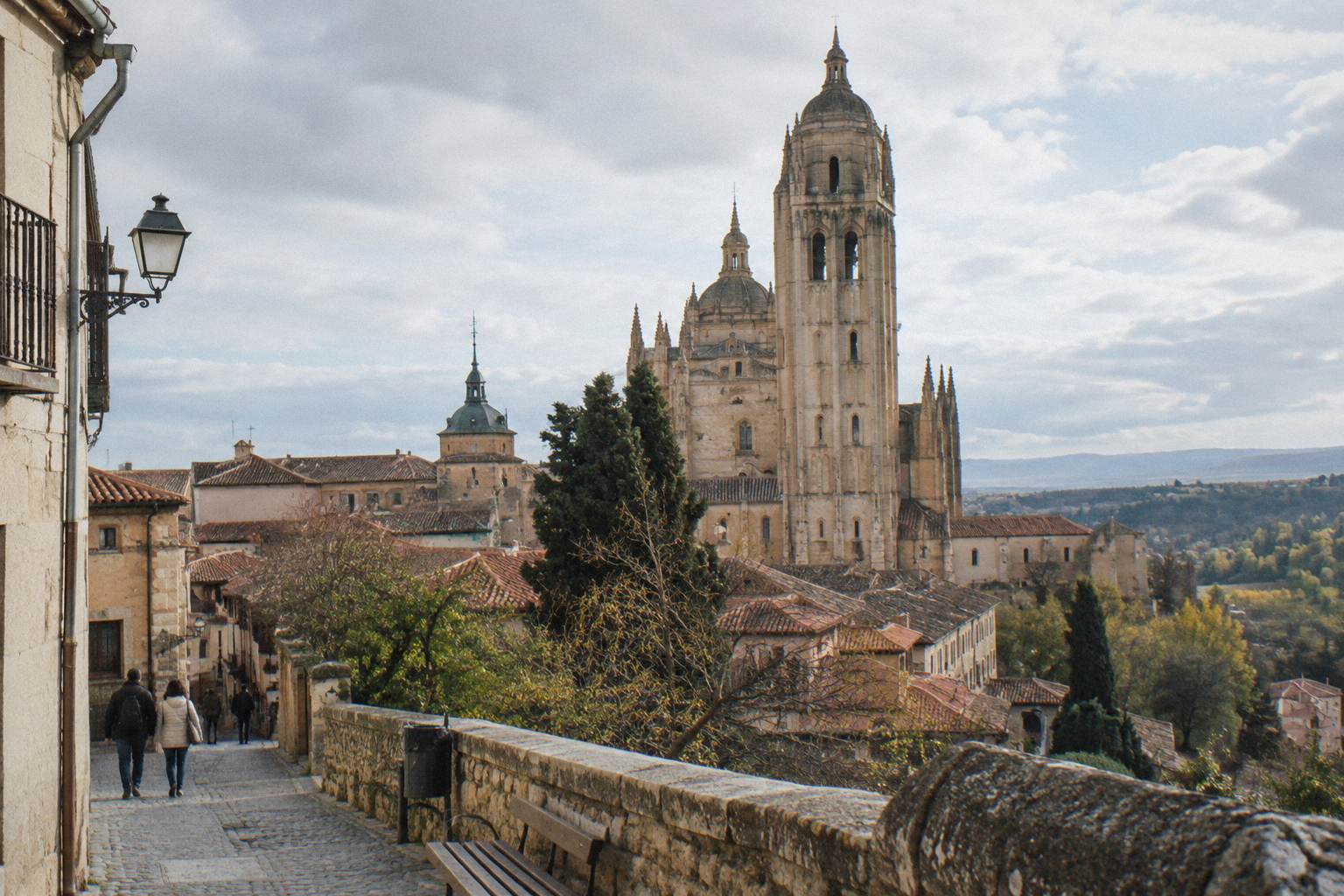
The Small Group, English Walk is the GuruWalk option here: an English-language walk rated 4.7 out of 5 across 10 GuruWalk reviews, meeting at Plaza del Azoguejo, next to the tourist office, in the heart of the Aqueduct And Old Town neighbourhood where much of the festival street life happens.
Once reserved, the rest of a festival day is positioning. Outdoor events reward arriving without a plan more than indoor ones do, because street performances and processions move through public space continuously. The indoor ticketed world rewards the opposite, checking and buying ahead. Sorting events into those two piles, free-outdoor and paid-indoor, is the single most useful thing a visitor can do before arriving, and it is the sorting this whole site is built on.
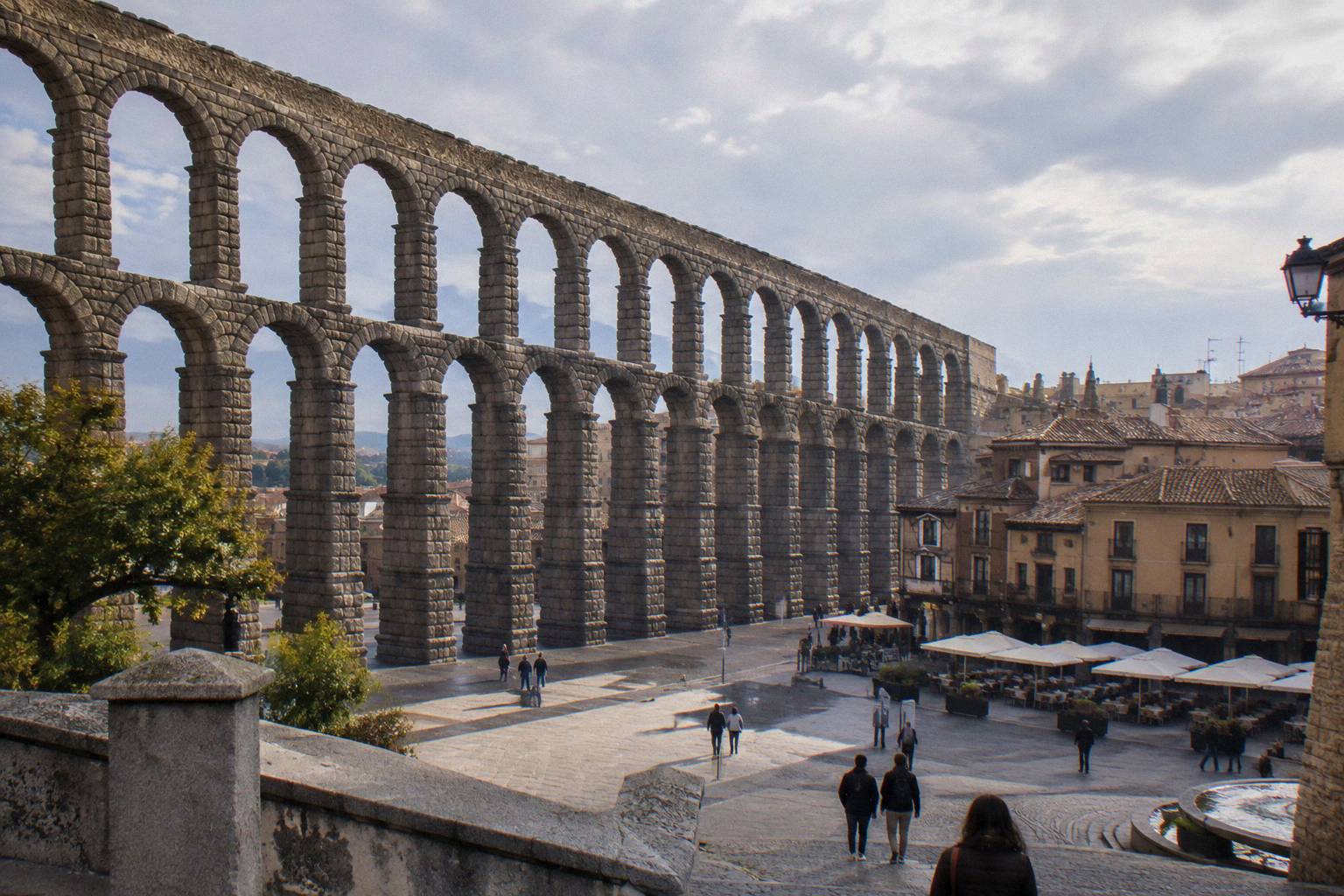
The free walks fit any date you land on. With 2 free walking tours in English (1 on GuruWalk, 1 on freetour.com), both running an hour and 30 minutes from fixed meeting points in the old town, the walk slot is the easiest piece of a festival itinerary to lock down, and everything around it, the processions, the parades, the puppet stages and the nativity scenes, is standing in the street waiting to be watched for nothing.
Mistakes That Trip People Up At Segovia Festivals
The common mistakes are assuming festival dates repeat year to year, expecting the Alcazar or Cathedral to be free because the festival outside is, treating "free Wednesdays" as a citywide rule, and heading to La Granja in winter for fountains that are off. Each of these has a specific correction, and each correction comes from the attraction or event's own rules rather than guesswork. Fix these four and a free festival trip plans itself.
First, the date mistake. People read a blog giving Titirimundi or Semana Santa dates for one year and book travel for those dates the next year. The processions move with the religious calendar and the puppet festival publishes its own dates per edition, so the only safe anchors are the fixed ones: 5 January for the Three Kings parade and the 17 November to 1 December belén window. Everything else gets checked on the organiser's page before booking anything.
Second, the free-outside-means-free-inside mistake, the same trap that runs through this whole city. A procession passing the Cathedral does not open the Cathedral; its usual visit is 4 EUR, the guided tower visit is 7 EUR, and free entry exists only during Sunday worship hours, 09:00 to 10:00 April to October and 09:30 to 10:30 November to March, church only, cloister closed. A parade passing the Alcazar viewpoint does not open the Alcazar; its free slot is EU citizens only, non-holiday Tuesdays 14:00 to 16:00, at the box office, capacity-limited, Torre de Juan II excluded. Festival streets are free, doors beside them are not.
| Festival-day temptation | What is actually free | What costs money |
|---|---|---|
| Watching a procession by the Cathedral | Exterior, Plaza Mayor frontage, worship hours | Cathedral visit 4 EUR, tower 7 EUR |
| Standing at an Alcazar viewpoint | Exterior and viewpoints | Interior ticket, EU Tuesday slot excepted |
| Aqueduct festival crowds | The Aqueduct itself | Aqueduct Interpretation Centre, inside the 5 EUR Real Casa de Moneda ticket |
| Titirimundi street shows | Outdoor performances | Indoor theatre sessions |
| La Granja in summer | Garden hours are official, free admission not confirmed | Fountain shows, ticketed |
Third, the free-day stacking mistake. The Real Casa de Moneda, the Centro Didáctico de la Judería and the Casa-Museo Antonio Machado are free on non-holiday Wednesdays, but the Museo de Segovia is a different body with a different rule, free on weekends and listed holidays and 1 EUR otherwise, and the Museo Esteban Vicente is always free. Visitors who hear "free Wednesdays" and plan a Wednesday museum sweep get half of it wrong. Name the museum, name the day, every time.
Fourth, the winter fountains mistake. The La Granja gardens are the summer day trip, but the fountain shows are ticketed, the fountains are off in winter, and the August night shows of the recent summer were cancelled. Winter's replacements are the belén contest, the 5 January parade and the always-free Esteban Vicente museum, plus every street, wall and viewpoint listed in this site's guides.
The last mistake is quieter: assuming that because an event is famous, it must be ticketed, and paying a reseller for access to a street. Every event named on this page, the processions, the parade, the belén displays, the outdoor puppet shows, happens in public space. The free walks that thread the same streets are the same deal, free to join, pay what you want, reserved directly on GuruWalk or freetour.com. For the wider picture of what the city's publisher covers, Free Things To Do In Segovia is the hub.
Common Questions
Free Festivals And Events In Segovia?
The free calendar runs year round: Semana Santa processions in spring, Titirimundi's outdoor puppet shows in the same season, the belén contest with entries from 17 November to 1 December, and the Three Kings parade on 5 January. All are watched from public streets at no cost, and 2 free walking tours in English (1 on GuruWalk, 1 on freetour.com) run alongside them.
Is Titirimundi Free To Attend?
Partly. The outdoor street performances staged in squares and streets are free to watch, while the indoor theatre sessions are ticketed. No confirmed indoor ticket price is published on an official page, so treat any figure you see elsewhere with caution and check the organiser's own pages for the current edition's programme.
Can You Watch The Semana Santa Processions For Free?
Yes. The processions move through public streets in the old town, and every point along the route is free to stand at, with no tickets or reserved areas. The dates shift each year with the religious calendar, so check the current year's schedule rather than relying on dates from a previous one.
What Happens In Segovia In Winter?
The belén contest takes entries from 17 November to 1 December, and the Three Kings parade comes through on 5 January. The always-free Museo de Arte Contemporáneo Esteban Vicente carries the indoor side, and the Aqueduct, plazas, Judería and Muralla walk stay free throughout. December averages about 5 degrees C, January about 4, with frost and occasional snow.
Are The Free Walking Tours In English?
Yes, there are 2 free walking tours in English (1 on GuruWalk, 1 on freetour.com). The GuruWalk walk, the Small Group, English Walk, runs in English only; the freetour.com walk, the Bilingual Monumental Walk, runs in English and Spanish. Both last an hour and 30 minutes and both are free to join, pay what you want.
How Do You Find Out Event Dates Before A Trip?
Check the organiser's own page for each event, because festival dates in Segovia move every year and next editions are confirmed late. The city tourism office publishes event calendars, and each festival publishes its own programme. The fixed anchors are 5 January for the Three Kings parade and the 17 November to 1 December belén entry window.